Calabria: A Journey Through Time – Magna Graecia, Villages, and Cultural Rebirth
Calabria is experiencing an era of extraordinary enhancement of its invaluable historical and archaeological heritage. With targeted investments and innovative strategies, the region is positioning itself as a crossroads of civilisations, offering a profound cultural experience that spans from Magna Graecia to its most authentic villages, from renovated museums to vibrant festivals, aiming for sustainable and year-round tourism.
Calabria, a land of myths and legends, a crossroads of millennia-old civilisations, is undergoing a period of intense and strategic enhancement of its invaluable historical and archaeological heritage. The joint commitment of national and regional institutions is transforming the perception of this region, projecting it as a leading cultural destination, capable of attracting visitors throughout the year and generating sustainable development.
Recent investments and initiatives bear witness to a clear vision: to make culture the engine of a rebirth, a bridge between a glorious past and a promising future. From the charm of Magna Graecia to the resilience of historical villages, from the treasures preserved in museums to the festivals that enliven its squares, Calabria reveals its complex and fascinating identity in its entirety.
Magna Graecia and Archaeological Treasures: A Return to Roots
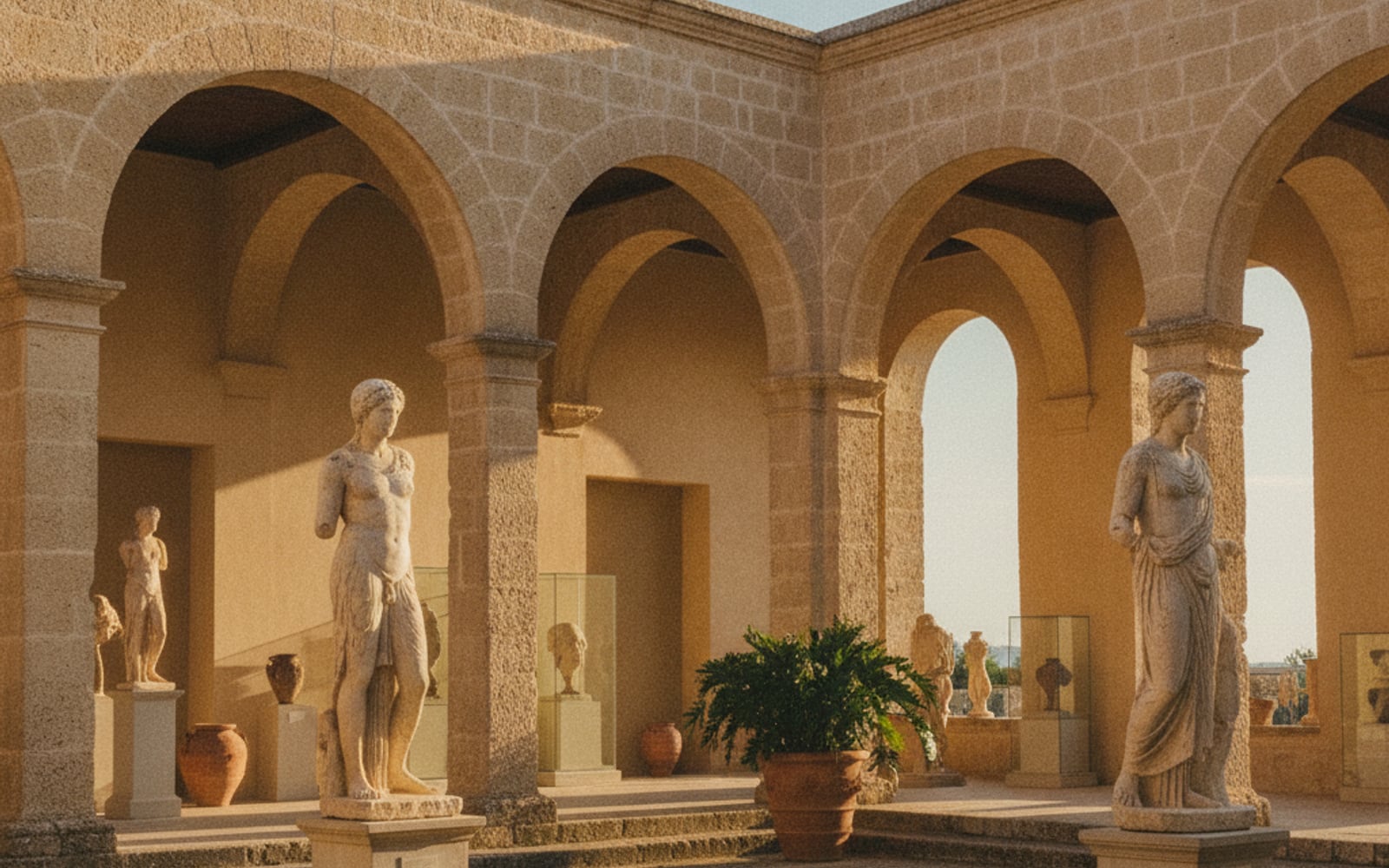
The beating heart of Calabrian identity resonates with Magna Graecia, a heritage that is now being rediscovered and promoted with renewed vigour. The region is at the centre of an ambitious enhancement plan that aims to recognise the area as national heritage and to promote its inscription on the prestigious UNESCO World Heritage list.
Investments and Strategic Projects
The Ministry of Culture has approved a three-year public works programme (2025-2027) with a total investment of 176 million euros nationwide, of which approximately 1.25 million euros are allocated to 10 interventions in Calabria in 2025. In addition, a further 5.8 million euros (5,785,112 euros) have been unlocked for Calabria for the 2025-2027 triennium as part of the 'Major Cultural Heritage Projects' Strategic Plan. A specific bill proposes a fund of 15 million euros for each of the years 2024, 2025, and 2026 to support the UNESCO candidacy and overall enhancement.
The MArRC and Major Exhibitions
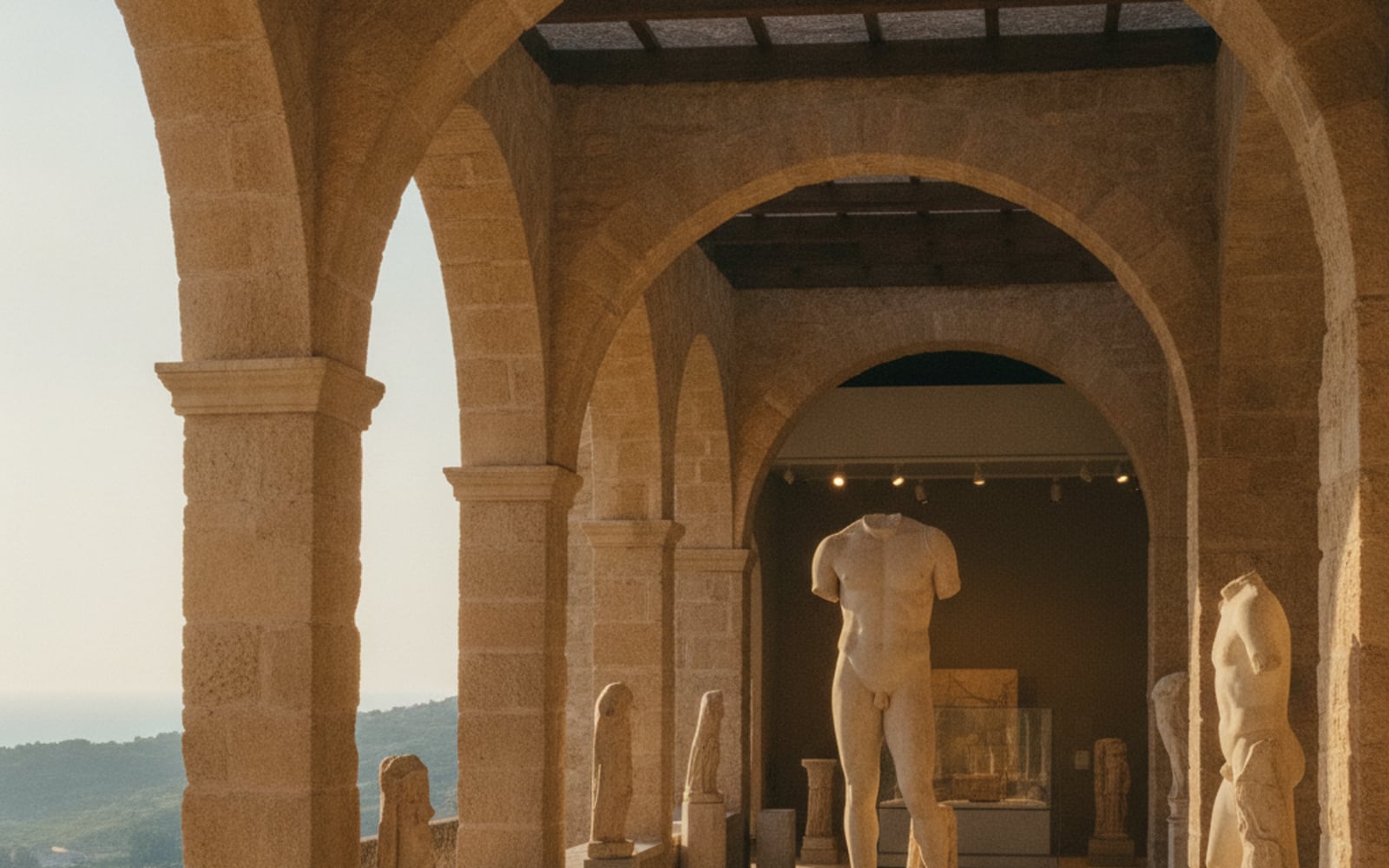
The National Archaeological Museum of Reggio Calabria (MArRC), custodian of the famous Riace Bronzes, continues to be a cultural beacon. It hosted the international exhibition 'Inspirations. Italian Lives of Greek Art' from 22 October to 31 December 2026, an event that successfully highlighted the deep historical and cultural link between Greece and Italy, attracting a wide audience and consolidating the museum's role as a centre of excellence.
Archaeological Parks and Innovation
The Archaeological Parks of Crotone and Sibari, under the direction of Filippo Demma, actively participated in the XXVIII Mediterranean Exchange of Archaeological Tourism (BMTA) in Paestum (October-November 2026). Innovative fundraising strategies and significant accessibility improvements, such as those implemented at the Le Castella Fortress, were presented here. The European project 'OlympicEU' further strengthened millennia-old ties with Greece, culminating in the signing of twinning agreements at the Capocolonna Archaeological Park (Crotone) and the Saracen Markets (Cirò Marina) between 29 March and 2 April 2026.
Discoveries and Recoveries
Among the funded interventions, over 400,000 euros stand out for archaeological investigations in Ciminà (RC) and 209,000 euros for securing the Temple of Apollo Aleo in Cirò Marina in 2025. A funding of 1,308,600 euros for 2025-2027 is allocated for the recovery and restoration of a 5th-century BC shipwreck in Monasterace (RC), a valuable testament to ancient maritime trade.
Museums and Castles: Guardians of Calabrian Memory
Calabria boasts a network of museums and castles that are true treasure chests of history and art, now subject to significant redevelopment and enhancement interventions.
The Growing Museum Network
Over 9 million euros from PNRR funds have been invested in the redevelopment, energy efficiency, and accessibility improvement of 12 sites of the Regional Directorate of National Museums of Calabria. Among the most significant reopenings, the Lametino Archaeological Museum in Lamezia Terme welcomed the public again on 24 October 2026, and the Mètauros Archaeological Museum in Gioia Tauro on 27 October 2026. A highly resonant event was the return, on 23 October 2026, of the marble sarcophagus of Eremburga of Mortain (2nd century AD) to the National Museum of Mileto (VV) from the National Archaeological Museum of Naples (MANN), in view of the 'Year of the Normans 2027', which promises to reignite the spotlight on a crucial period of Calabrian history. The Cattolica of Stilo, a Byzantine gem, has recorded 32,000 visitors and 80,000 euros in gross revenue in recent years, confirming its appeal.
Fortresses and Manors: Between History and Redevelopment
The Aragonese Castle of Reggio Calabria, after almost twenty years of redevelopment, recorded over 21,000 visits and 50,750 euros in revenue by 31 October 2025, establishing itself as one of the main tourist destinations after the Riace Bronzes. The XXVII National Castle Days, held on 16 and 17 May 2026, offered free visits and meetings at the Ducal Castle of Corigliano-Rossano, a National Monument, promoting knowledge of these imposing structures. Funding of 1,676,512 euros for 2025-2027 is allocated for seismic safety and conservative restoration of the Talao Tower and Casa Armentano in Scalea (CS), preserving key elements of the coastal landscape.
Villages, Festivals, and Traditions: The Beating Heart of Living Culture
Calabria is not just ancient history, but also a vibrant and pulsating culture, expressed in the beauty of its villages, the richness of its traditions, and the liveliness of its festivals.
The Rebirth of Historical Villages
To combat depopulation and revitalise inland areas, the Calabria Region launched the 'Ripopola Calabria' project, offering renovated homes free for 10 years in 26 historical villages, with a regional investment of 20 million euros and a deadline for applications on 18 December 2026. The Regional Council approved an extraordinary plan for the repopulation and regeneration of villages with fewer than 5,000 inhabitants, with an initial allocation of 45 million euros (10 November 2026). The 'Quattro Borghi' tourism enhancement project, which concluded on 30 October 2026, promoted the historical centres of Montepaone, Gasperina, Montauro, and Stalettì, attracting international visitors too. New opportunities for 'roots tourism' were discussed in a regional panel on 12 November 2026, highlighting that in 2024 this segment generated 5 billion euros in Italy.
The Ecosystem of Cultural Festivals
Calabria hosted important music and cultural festivals in 2026, including 'Be Alternative' and 'Color Fest', the latter in Lamezia Terme from 11 to 13 August, contributing to the record of 2 million tourists in Calabria in 2025. Events such as the 'Astrea National Award' (5 December 2026), 'Tarsia Teatro' (from 28 November 2026 to 10 April 2027), and 'A.M.A. Calabria | The Gospel Night' (27 December 2026) enrich an already packed calendar. The 'Gaia Festival – Near Future | Present Mediterranean' took place in Reggio Calabria from 14 to 31 October 2026, focusing on art, culture, and scientific research. The 'Narrative Festival 'Variations'' returned to Roccella from 7 to 29 November 2026. The Paleariza Festival, dedicated to ethnic and popular music, is held every August in the Grecanica Area, involving 14 villages and attracting approximately 30,000 spectators, demonstrating the vitality of local traditions.
Protection of Linguistic Minorities
The Calabria Region actively protects and promotes the linguistic and cultural heritage of the Albanian, Grecanica, and Occitan minorities, as established by regional law no. 15 of 2003, recognising the importance of these unique identities for the Calabrian cultural mosaic.
Highlights of Calabria's Cultural Rebirth:
Ministerial Investments
Magna Graecia Bill Proposal
PNRR Museums
Ripopola Calabria
Extraordinary Villages Plan
Roots Tourism
Color Fest
Museum Reopenings
Return of Eremburga's Sarcophagus
Aragonese Castle of Reggio Calabria
Conclusion: Calabria, A Future Written in History
Calabria is demonstrating an extraordinary ability to look to the future through the lens of its glorious past. The synergy between targeted investments, ambitious projects, and the rediscovery of its roots is shaping a region that not only preserves its history but also makes it accessible, vibrant, and attractive. The 'Calabria
CulturaPass', promoted by the Region, is a concrete example of this strategy, aiming to integrate cultural offerings into the overall tourist experience.
The enhancement of historical and archaeological heritage is not merely an act of conservation but a powerful tool for economic and social development. Through Magna Graecia, its castles, museums, and villages, Calabria invites the world to discover a profound authenticity, a resilient identity, and a cultural offering that promises to enchant and inspire, consolidating its role as a protagonist in the Mediterranean cultural landscape.