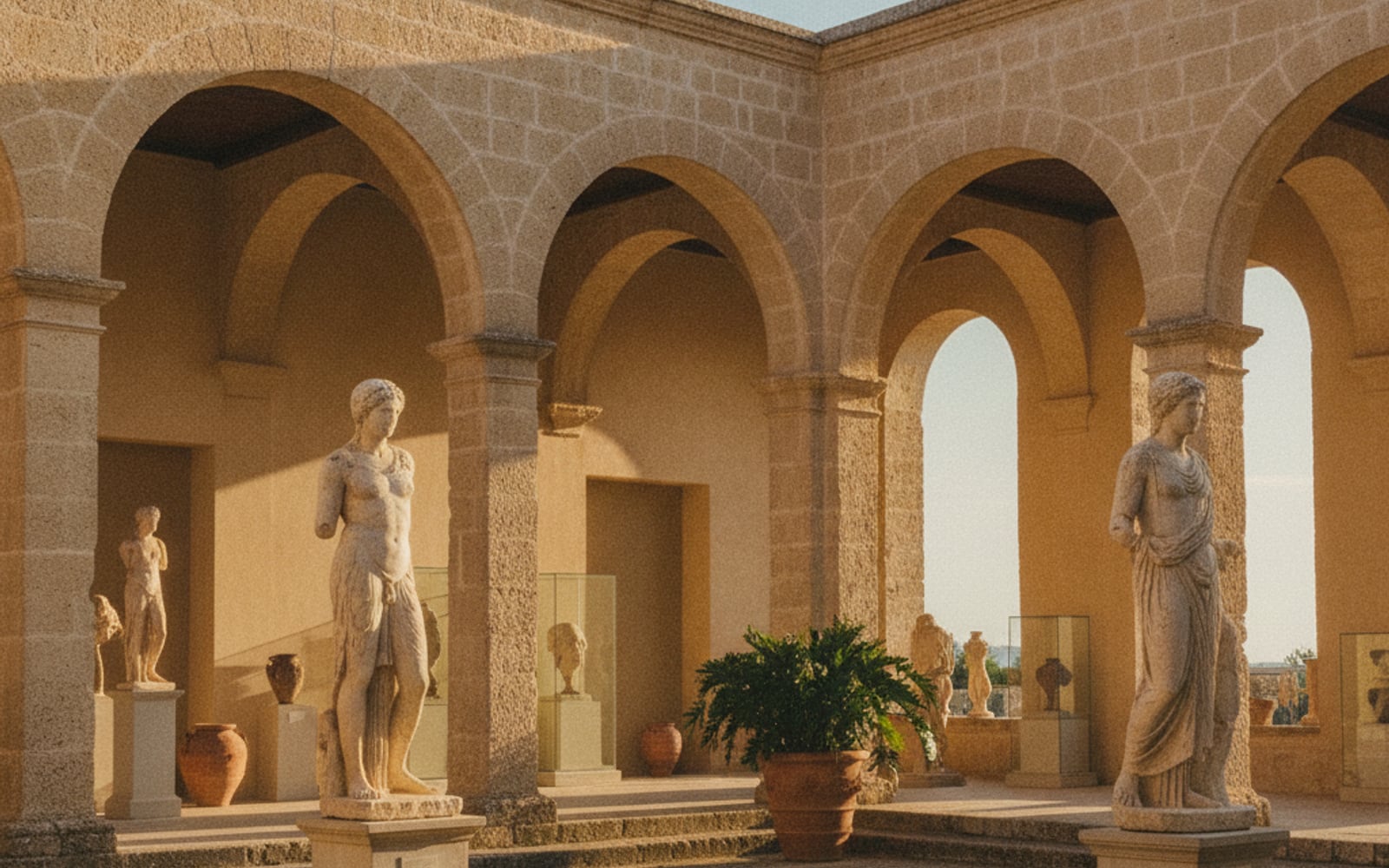
Calabria, Cradle of Civilisation: A Cultural Renaissance Amidst Magna Graecia, Villages, and New Horizons
Calabria is experiencing a golden age for the enhancement of its invaluable historical and archaeological heritage. With targeted investments, ambitious projects, and a rich calendar of events, the region is establishing itself as a cultural hub of international renown, rediscovering its millennia-old roots and projecting itself towards a future of sustainable and attractive development.
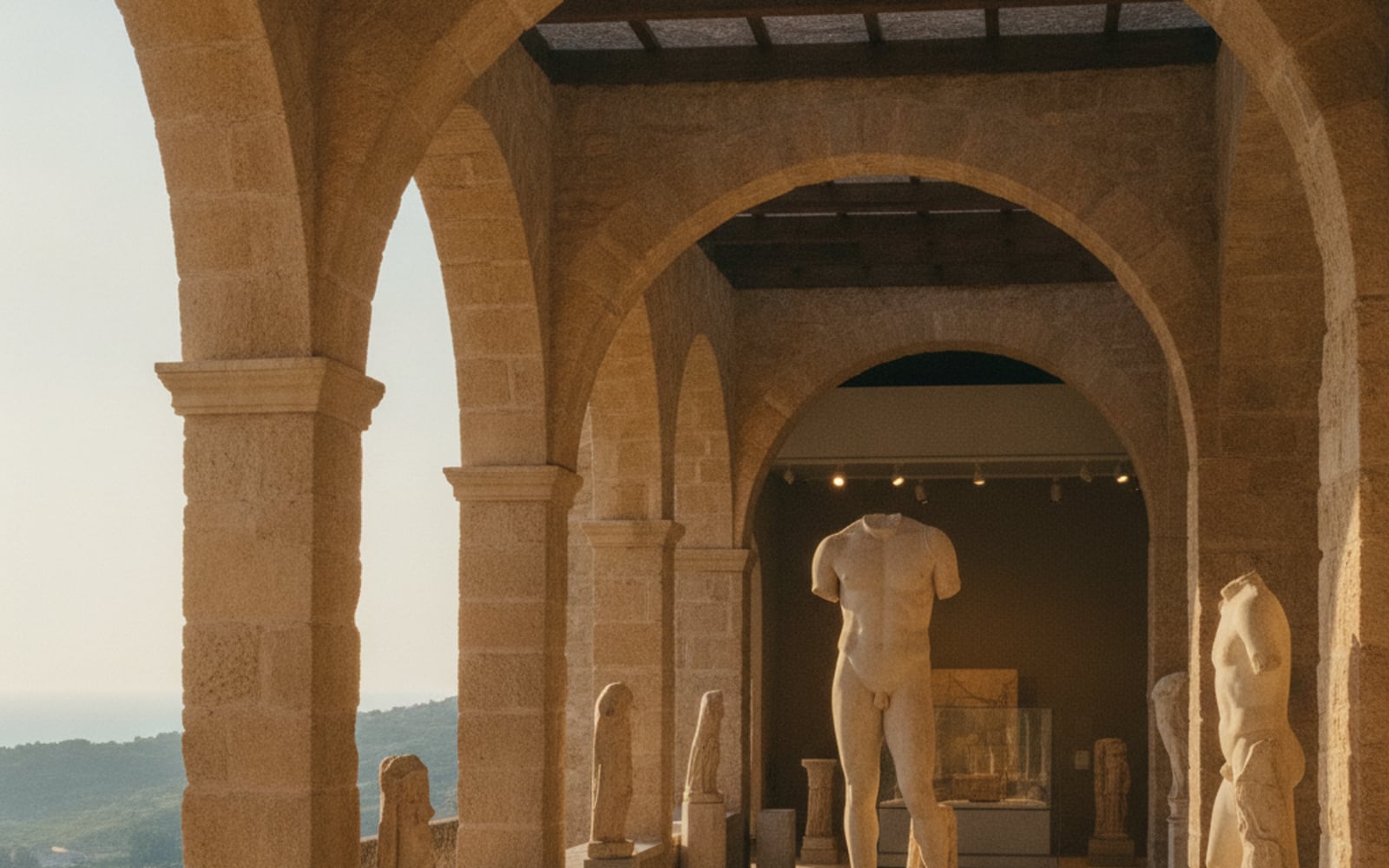
Calabria, a land of myths and legends, a crossroads of peoples and millennia-old cultures, is undergoing an intense phase of rediscovery and enhancement of its invaluable historical and archaeological heritage. From the magnificence of Magna Graecia to charming medieval villages, from majestic castles to vibrant identity traditions, the region is committed to promoting its cultural richness at national and international levels. A wave of projects, events, and investments, concentrated between 2025 and 2027, is transforming Calabria into a beacon of culture in the Mediterranean, exceeding all expectations and positioning itself as a model of excellence.
Magna Graecia and Museums: An Archaeological Renaissance
The beating heart of this renaissance is undoubtedly the National Archaeological Museum of Reggio Calabria (MArRC), which confirms its role as a strategic hub for the enhancement of Magna Graecia. With over 260,000 visitors recorded in 2025, MArRC has demonstrated significant growth in terms of attendance and the quality of its cultural offerings. Its centrality is further strengthened by the major international exhibition 'Inspirations. Italian Lives of Greek Art', which from 22 October to 31 December 2026 will explore the transformations of Greek art in the Mediterranean and the profound historical-cultural link between Italy and Greece. Promoted by the Ministry of Culture as part of the Olivetti Plan, the exhibition is curated by a team of internationally renowned experts, including Alfonsina Russo and Fabrizio Sudano.
The Regional Directorate of National Museums of Calabria, under the guidance of Fabrizio Sudano, is a key player in this renewal process. Thanks to interventions funded by the PNRR (National Recovery and Resilience Plan) for approximately 10 million euros, as many as 12 museum and archaeological sites will benefit from significant improvements in terms of accessibility, energy efficiency, and sustainability. Among the most ambitious projects, 'CaSMus (Calabria Smart
Museum)' has received 4.6 million euros for each of the two groups of sites, earmarked for the energy efficiency of museums, making them more modern and welcoming. The National Archaeological Museum and Park of Scolacium (Borgia – CZ) is at the centre of important archaeological investigations, restorations, and interventions for the safety, enjoyment, and enhancement of the forum, the Roman amphitheatre, and the Norman basilica, with an investment of 1.5 million euros for improved accessibility, a fundamental step to make the heritage accessible to all.
Events of great resonance enrich the museum landscape: on 23 October 2026, the sarcophagus of Eremburga of Mortain (2nd century AD) will return to the National Museum of Mileto (VV), coming from the National Archaeological Museum of Naples (MANN), anticipating the celebrations of the Year of the Normans 2027. The Lametino Archaeological Museum will also reopen its doors on 24 October 2026, after significant redevelopment interventions funded by the PNRR, promising new exhibition experiences for visitors.
Castles and Historic Villages: Guardians of Memories and the Future
The restoration of castles and the revitalisation of historic villages represent a fundamental pillar of regional enhancement policies. These places, custodians of centuries of history and traditions, are destined to return to the heart of Calabrian cultural and social life.
Palizzi Castle (RC) officially returned to the community on 3 November 2025, after an impressive restoration and consolidation of the second lot, costing 2 million euros and funded by the Complementary Operational Programme to the PON Culture and Development 2014-2020. The manor will be used as a cultural centre, offering new spaces for events and initiatives. The redevelopment of the Norman Castle of Lamezia Terme is currently being evaluated for funding under the PR Calabria 2021/2027, a sign of increasing attention towards these symbols of the past.
The Ministry of Culture has allocated 5,785,112 euros for Calabria for the three-year period 2025-2027, as part of the Strategic Plan 'Major Cultural Heritage Projects'. These funds include:
1,308,600 euros
1,676,512 euros
800,000 euros
Cultural Festivals and Identity Traditions: The Beating Heart of Calabria
Calabria's cultural calendar is enlivened by a myriad of festivals and events that celebrate the richness and diversity of local traditions, projecting them into a contemporary and international dimension. The 'European Heritage Days' (EHD) were held on 26 and 27 September 2026, with the theme 'Protecting heritage. Renew, resist, reinvent'. The Regional Directorate of National Museums of Calabria organised extraordinary evening openings for 1 euro, guided tours, workshops, and performances in museums and archaeological parks, making heritage accessible to all. Among the most appreciated initiatives, the National Gallery of Cosenza presented 'Beyond the Surface' and 'A Night at the Museum', while the National Archaeological Museum and Park of Scolacium hosted 'Secret Odysseys' and the 'Reconstruct to Understand' workshop, actively engaging the public.In Reggio Calabria, from 31 August to 7 September 2026, the 'September of Demeter' festival took place, an event dedicated to culture, identity, and rebirth. The Armonie d'Arte Festival, in Scolacium, explored 'New Mediterranean Routes and New Cultural Tourism Routes' with 'Bizarre Visits' and food and wine events 'Sitos & Food', combining art, history, and flavours. Identity traditions are also promoted through 'Roots Tourism', with Calabria's participation in 'Roots-IN 2026 – International Exchange of Roots Tourism' in Matera (10-11 November 2026), to strengthen ties with Calabrian communities worldwide. The 'Vibonese Rural Territory Food District' participated in 'De
Gusto 2026' in November, promoting agri-food excellences and local culture, a perfect blend of taste and tradition.In November-December 2026, Calabria celebrates the 70th anniversary of Corrado Alvaro's passing with 'Alvaro 70', a month of events that includes the creation of a mural in San Luca by street artist Jorit, a contemporary tribute to a great literary figure. The Calabria Region has also initiated the process to nominate the serial site 'Testimonies of Italo-Greek Culture between the High and Late Middle Ages' for the UNESCO World Heritage List, strengthening the strategy for the protection and enhancement of cultural heritage globally.
The Events Calendar: A Mosaic of Appointments
Calabria's cultural dynamism is evidenced by an increasingly rich and varied events calendar, which attracts visitors from everywhere and offers unique opportunities for immersion in the region's traditions and artistic innovation:
Color Fest
Astrea National Award
Tarsia Theatre
Assaporagionando - The Mediterranean Exhibition of Typical Products
A.M.A. Calabria | The Gospel Night
Panettieri Living Nativity Scene
These joint efforts by institutions, bodies, and associations are contributing to a renewed interest in Calabria's cultural heritage, transforming it not only into an engine for economic and tourist development but also into an opportunity to strengthen the identity and pride of a region that has so much to offer the world. Calabria, with its millennia-old history and vibrant contemporaneity, is ready to enchant and inspire, confirming its role as a cradle of civilisation and a bridge between past and future.