What to See in Calabria: The Pignarelle Caves in Palmi, Heart of Byzantine Calabria
Explore the mysterious Pignarelle Caves in Palmi, an ancient Byzantine monastic settlement carved into rock. A fascinating journey into Calabria's authentic history.
A Hidden Treasure: The Pignarelle Caves in Palmi
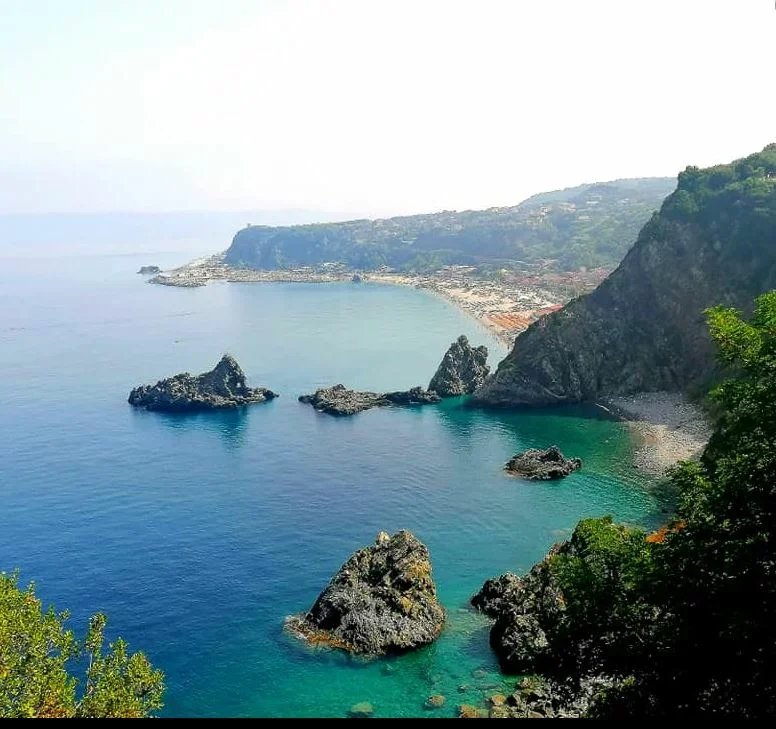
Dive into Calabria's millennial history by visiting the fascinating Pignarelle Caves, a true hidden gem in the municipality of Palmi. These rock-cut cavities, sometimes known as 'Macello-Pignarelle caves' or 'Tarditi caves', are not just simple natural grottoes, but a complex Byzantine monastic settlement. Masterfully carved into sandstone by the monks themselves between the 6th and 8th centuries, they represent a vivid testament to a distant era. Located on a steep ridge, hidden by dense vegetation, they offer a breathtaking view of the Tyrrhenian Sea, stretching from the enchanting Strait of Messina to the evocative Capo Vaticano. A place where nature and history merge in an unforgettable embrace.
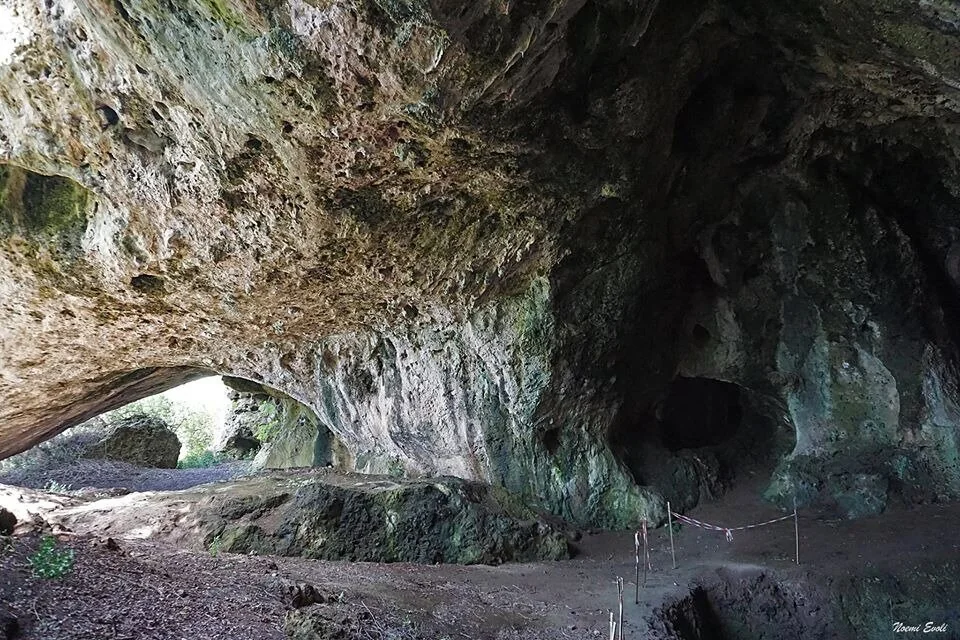
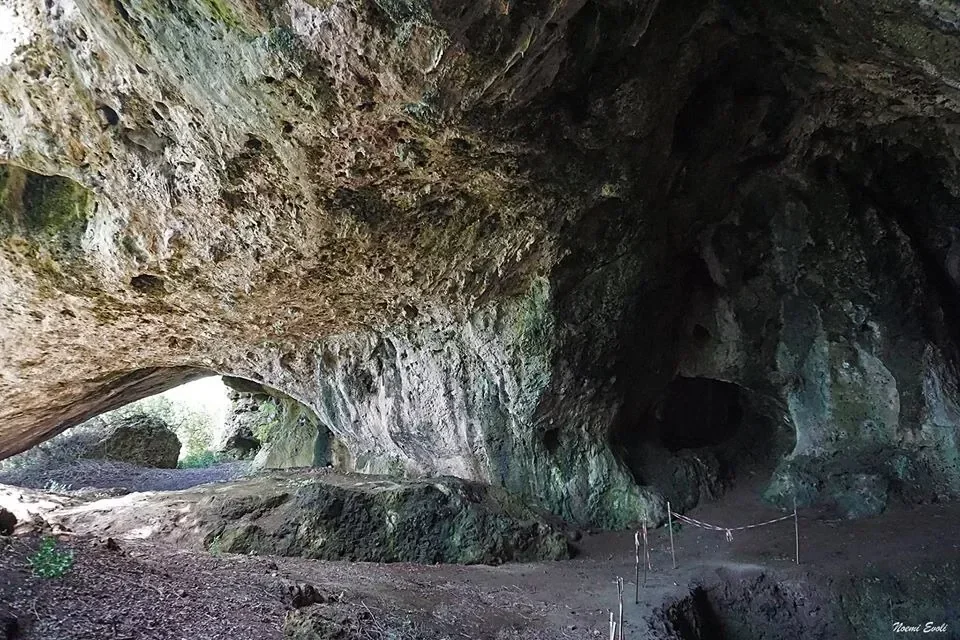
The evocative entrance to one of the Pignarelle Caves, where Byzantine history merges with the unspoiled nature of Palmi.
Echoes of Byzantine History: Monks, Persecutions, and War Refuges
The history of the Pignarelle Caves is a fresco unfolding through centuries. Their origin dates back to between the 6th and 8th centuries, a turbulent period when numerous Byzantine monks sought refuge in Calabria. They fled the iconoclastic persecutions of Pope Leo III and the Saracen advance in Sicily, seeking peace and a place to practice their faith. It was here, in this rugged yet welcoming land, that they founded monasteries and lavras, leaving an indelible mark. But the caves were not only a spiritual sanctuary; in the 20th century, the people of Palmi used them as a safe haven from the devastating aerial and naval bombardments of World War II, transforming them into a symbol of resilience. The name 'Tarditi caves' might derive from the government technician who contributed to the post-1908 earthquake reconstruction, further linking the site to collective memory.
A detail of the rock-cut architecture inside the Pignarelle Caves, bearing witness to centuries of history and faith.
Rock-Cut Architectures: A Journey Through Apses and Crosses Carved in Stone
The Pignarelle Caves rock complex is a true labyrinth of faith and ingenuity. Composed of several cavities carved into sandstone on multiple levels, all with north-facing entrances, it reveals surprising architectural complexity. The first cave welcomes visitors with a Byzantine cross carved into the exterior rock and an interior formed by a single chamber with wide openings and mysterious tunnels. The second cave, a full 17 meters deep, culminates in an apse and also features a Byzantine cross on the arch of the vault, hypothetically the dwelling of the hegumen, the head of the monastic community. But the heart of the settlement is the 'basilica', the largest cave in terms of extension and architectural form. Inside, three naves intersect in a Greek cross: the central one six meters high and three meters wide, flanked by two more intimate lateral ones. The terminal wall of the central nave boasts an elliptical apse, where crucifixes and icons once hung. Everywhere, steps, niches, and lamp holders bear witness to the daily life of the monks. A further cave, connected to the basilica by a tunnel, and a small external cavity with a loophole for alert, complete this fascinating journey into Byzantine rock architecture.