Eastern Culture in Calabria: Agricultural and Water Systems of Palmi
From the Middle Ages to the early modern era: Arab and Byzantine heritage in Palmi's agricultural biodiversity, the Eparchy of Saline, and Cassiodorus' Palmaziano wine.
Eastern Heritage and the Eparchy of Saline
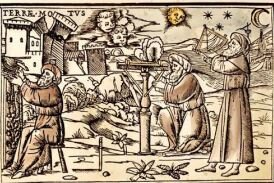
Palmi's agricultural biodiversity and water-distribution systems reflect Arab agronomic knowledge transmitted by Byzantine monks. Following the Arab conquest of Sicily in the 10th century, monastic communities settled along the Costa Viola and the Valley of Saline (today's Piana di Gioia Tauro), drawn by Saint Fantino in Tauriana and Saint Elias the Younger on Mount Palmi. As philologist Gerhard Rohlfs noted, this area holds Europe's highest concentration of toponyms linked to Eastern saints and monasteries.
Byzantine monasticism and Eastern agricultural knowledge in the Valley of Saline.
Arab-Persian Fruits and Dialect Terms in Palmi
Monks brought expertise from Baghdad, Cairo, Damascus, and Jerusalem in hydraulics and agronomy. Local Calabrian fruit names preserve these roots: rangi (oranges, from Persian narang), limúni (lemons), pricopi (apricots, from Arabic al-birquq and Greek praikòkion), cerasi (cherries), mmendula (almonds), persica (peach), Damascus plums, and medlar.
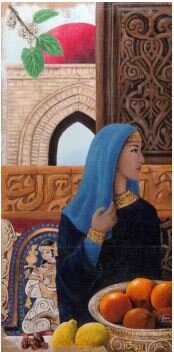
Traditional citrus groves and Mediterranean cultivars in Palmi's gardens.
The Fig Tree: From the Fertile Crescent to Rome
Ficus carica—named after Caria in Anatolia—was already cultivated 11,400 years ago near Jericho, predating wheat and barley. Sacred to Dionysus in Greece (where Plato was nicknamed fig-eater) and revered in Rome as documented by Pliny, Ovid, and Tacitus, the fig remains central to Calabrian rural heritage.
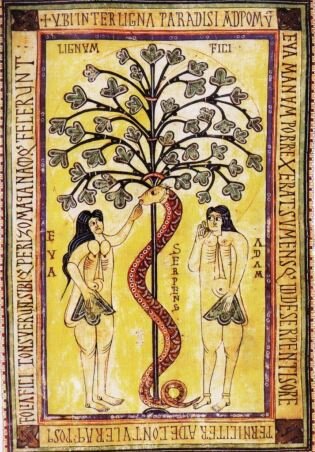
The fig tree (Ficus carica), an ancient sacred plant of the Mediterranean.
Cassiodorus' Palmaziano Wine and Costa Viola Terraces
Alongside durum wheat, rice, pistachio, mulberry, sugar cane (zùccaru), and cotton (cuttùni), Palmi boasted ancient rock-cut wine presses. In the 6th century AD, Cassiodorus praised the sweet wine of contrada de Palmis—Palmaziano—comparing it to Gaza and Sabine wines (cited by Giuseppe Silvestri Silva, 1930), likely linked to ancient Zibibbo grown on Costa Viola terraces.

Vineyards and terraces of the Costa Viola linked to ancient Palmaziano wine.
Athena, the Olive Tree, and Magna Graecia Roots
Introduced in the 8th century BC during Greek colonization—the land of the Italiotes and Tauriani—olive cultivation became Palmi's defining crop, attested by ancient coins and vases.
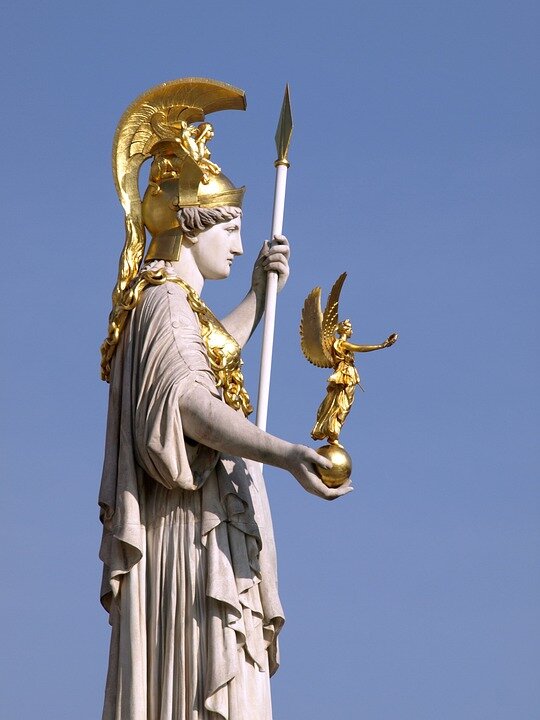
Goddess Athena, mythical giver of the olive tree in Greek tradition.