Calabria, Enotria of the Future: A Journey Through Food and Wine Excellence with Indigenous Grape Varieties, EVO Oil, and PDO Cured Meats
Calabria, ancient Enotria, is experiencing an era of food and wine rebirth, valorising a unique heritage of indigenous grape varieties, excellent extra virgin olive oils, and PDO cured meats. This reportage explores the dynamism of a sector that combines millennia-old tradition and innovation, projecting the region towards a future of culinary prestige and tourist appeal.
Calabria, a land of myths and legends, is rediscovering and valorising an invaluable food and wine heritage, projecting itself strongly onto the national and international scene. Known since ancient times as 'Enotria', the region is today the protagonist of a true renaissance involving indigenous grape varieties, the production of extra virgin olive oil, PDO cured meats, and a distinctive cuisine that renews itself without forgetting its roots. This ferment is fuelled by young entrepreneurs, innovative chefs, and protection consortia who work tirelessly to elevate the quality and recognition of Calabrian products, overcoming challenges and seizing opportunities in a market increasingly attentive to authenticity and sustainability. The dynamism of the sector is evident in the numerous initiatives, accolades, and investments that are transforming Calabria into an unmissable destination for lovers of good food and good wine.
The Oenological Renaissance: Indigenous Treasures and Avant-Garde Wineries
Calabria boasts a millennia-old winemaking heritage, with approximately 250 indigenous grape varieties forming the basis of 9 DOC and 10 IGT designations. This 'renaissance of viticultural pride' is capturing the attention of foreign markets and food and wine tourism, thanks also to the commitment of wineries that are investing in the valorisation of local varieties and sustainable practices.
Symbolic Grape Varieties: Gaglioppo, Magliocco, Greco Bianco, and Mantonico
Among the red grape varieties, the Gaglioppo is undoubtedly the most representative, particularly in the Cirotano area, where it produces wines of great structure and longevity. Alongside it, the Magliocco is experiencing a remarkable resurgence, especially in the province of Cosenza, offering elegant and complex red wines. No less important is the Pecorello, a significant indigenous grape variety cultivated predominantly in the Donnici DOC area, also in the Cosenza region, which yields fresh and aromatic white wines.
For white wines, the Greco Bianco is famous for Greco di Bianco DOC, a unique dessert wine typical of the Reggio Calabria area, while the Mantonico is another variety of great interest, capable of expressing white wines of character and profound minerality. The participation of 32 Calabrian wineries at the FIVI Independent Winegrowers' Wine Market in Bologna, from 21 to 23 November 2026, represented an important showcase to tell the story of the identity and richness of this territory.
Innovation in Young Wineries: Success Stories
The entry of new generations is injecting new life into the sector, contributing significantly to the qualitative growth of Calabrian wines. A virtuous example is that of Cantine Immacolata Pedace in Longobucco, in the province of Cosenza, which celebrated its twentieth anniversary on 22 November 2026. This winery, located at approximately 1,300 metres above sea level in the heart of the Sila National Park, hosts the 'highest vineyard in Europe' and also stands out for its offering of sustainable hospitality and ecotourism. Their story is a symbol of heroic viticulture and an indissoluble bond with the territory.
Calabria's Green Gold: Extra Virgin Olive Oil Amidst Challenges and Strategies
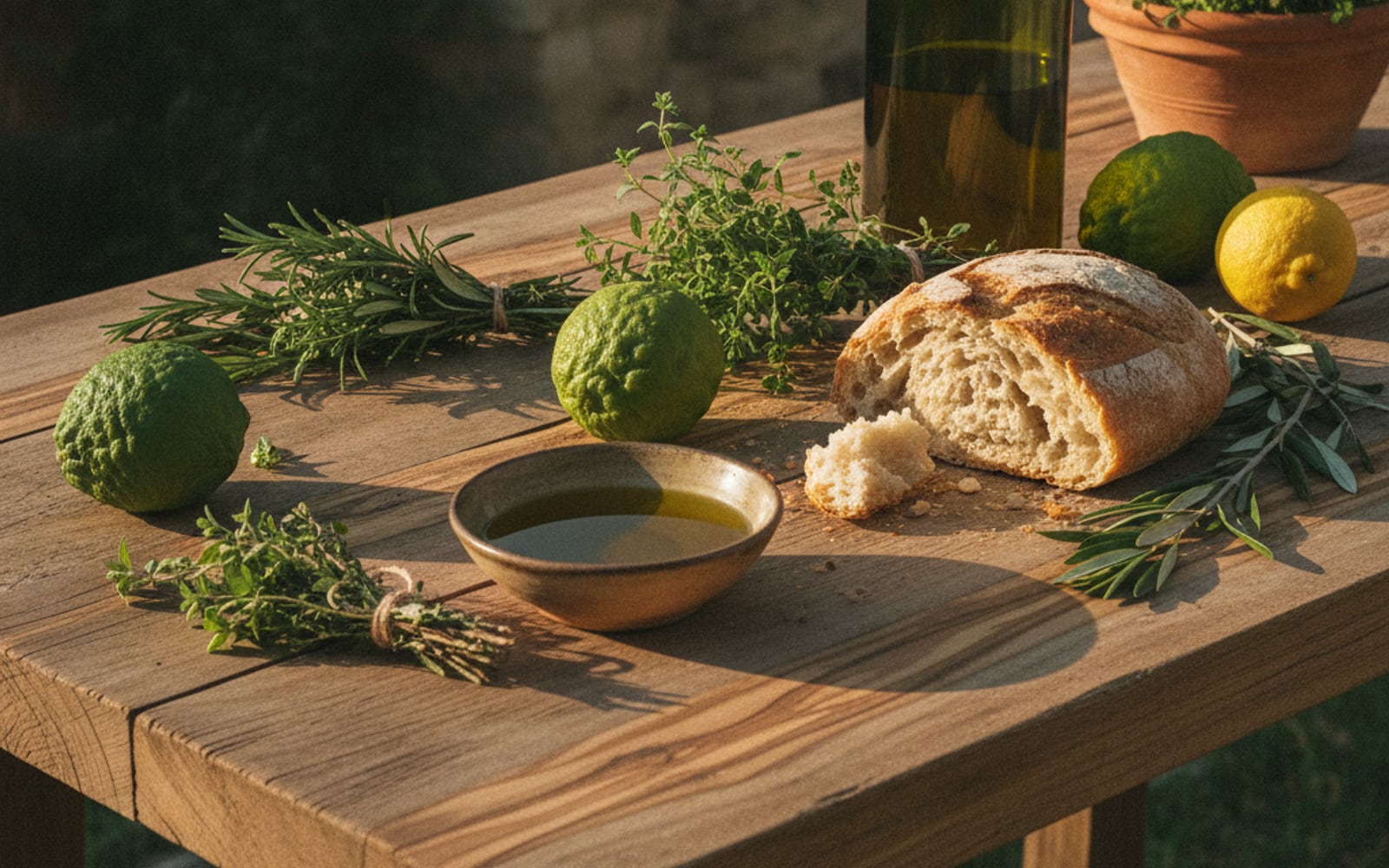
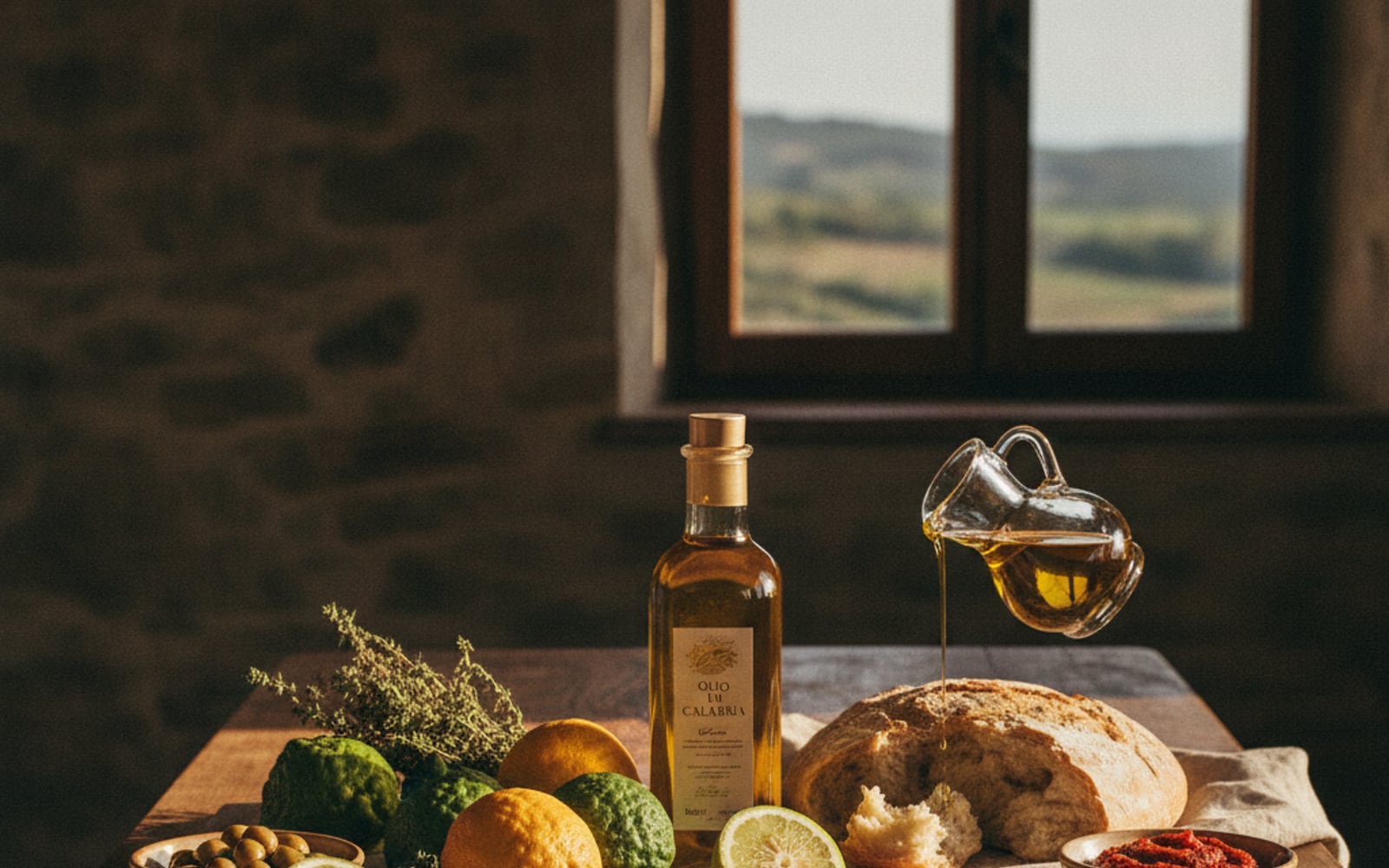
Calabrian extra virgin olive oil is another pillar of regional food and wine, recognised for its superior quality and unique organoleptic properties. However, the sector faces significant challenges, as highlighted by the recent olive oil campaign.
The 2026/2027 Olive Oil Campaign: A Complex Assessment
The 2026/2027 olive oil campaign in Calabria experienced a delayed start, influenced by excessively low prices and unsold stocks. Estimates indicate a production drop of up to 40% due to drought and high production costs, a worrying figure for olive growers. As of 30 September 2026, Calabria held 26,202 tonnes of oil in storage, equivalent to 13.4% of the national total, ranking third in Italy. Prices for Calabrian PDO extra virgin olive oil are falling, with DOP Bruzio dropping to 5.20 euros per kilo as of 19 November 2026, while Lametia remained stable. The fraud alert is high, with a recommendation to be wary of oils sold below 9-10 euros, to protect honest producers and consumers.
Interventions and Protection: The National Olive Growing Plan
To support the sector, on 4 November 2026, the 'Coltiva
Italia' measure was approved, allocating 300 million euros to the National Olive Growing Plan 2026-2030, distributed as 50 million in 2027, 200 million in 2028, and 50 million in 2029. This intervention aims to strengthen the supply chain, improve competitiveness, and protect an agricultural heritage fundamental to the Calabrian economy and identity.
PDO Cured Meats: Guardians of a Flavour Identity
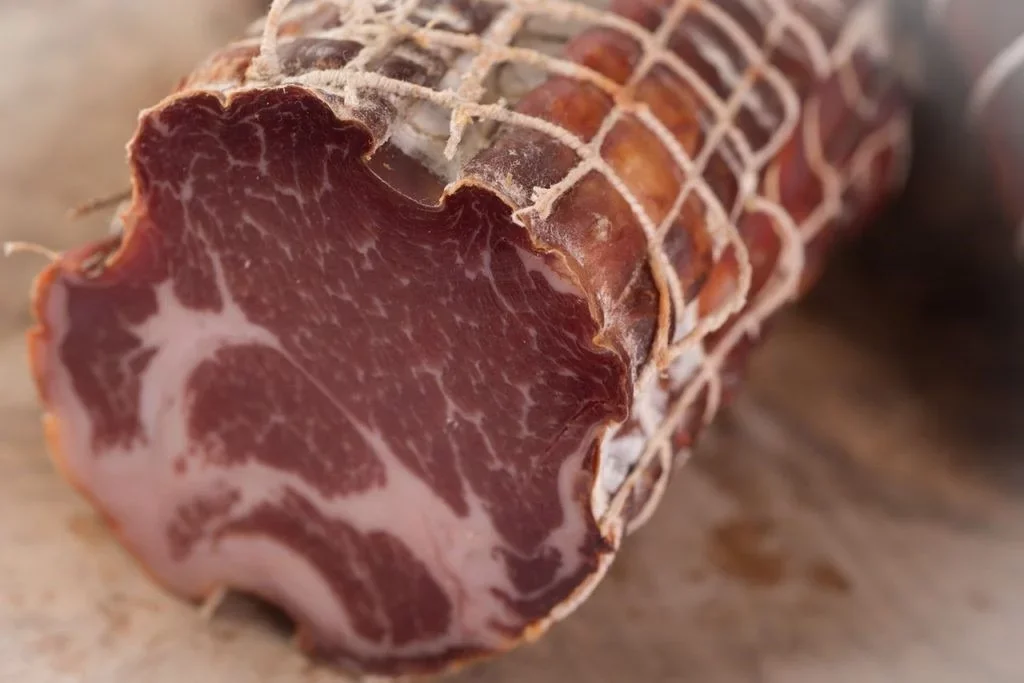
Calabrian cured meats, with their Protected Designations of Origin, are ambassadors of an authentic taste and a centuries-old tradition, the result of a pork butchery art handed down from generation to generation.
The New Protection Consortium: A Bulwark for Quality
A fundamental step for the valorisation and protection of these excellences was the establishment of the new Consortium for the Protection of Salumi di Calabria PDO, officially recognised by the Ministry of Agriculture, Food Sovereignty and Forests (MASAF) on 4 March 2026. The Consortium, based in Cosenza, is chaired by Anna Madeo and has Salvatore Pugliese as vice-president. Its task is to promote, valorise, oversee, and protect the four Protected Designations of Origin:
Salsiccia di Calabria PDO
Soppressata di Calabria PDO
Capocollo di Calabria PDO
Pancetta di Calabria PDO
Accolades and Growth: The 2026 Awards
The quality of Calabrian cured meats was also celebrated at the regional competition 'Salumi di Calabria 2026', held in Mormanno on 16 November 2026. Salumificio Menotti of Colosimi (CS) won the overall award and first place in the Soppressata PDO category. Other awardees include Salumificio Madeo of San Demetrio Corone for Capocollo PDO and Centro Carni Monaco of Acri for Soppressata, confirming widespread excellence throughout the territory.
Distinctive Cuisine: Tradition, Innovation, and New Talents
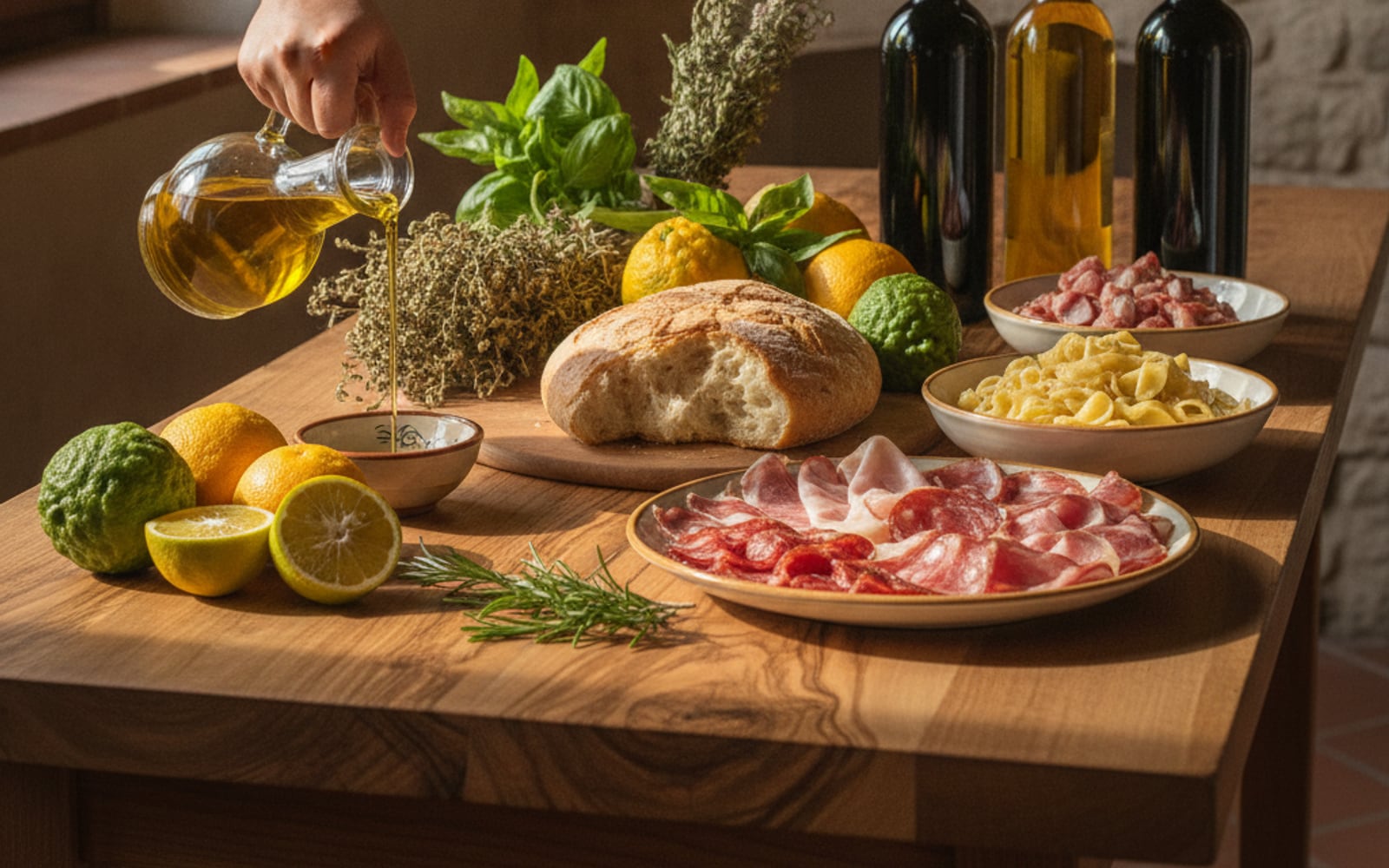
Calabrian cuisine is a melting pot of flavours, aromas, and stories, where tradition merges with innovation thanks to the flair of chefs and the commitment of institutions that promote its cultural and gastronomic value.
Recognised Excellence: Awards and Competitions
The Golden Register of the Italian Federation of Chefs (FIC) awarded four recognitions for excellence in Calabrian cuisine on 22 November 2026. Among the awardees, Danilo Liparoti (province of Cosenza) received the 'Young Chef' award, while Domenico Lizzi (province of Reggio Calabria) was recognised in the 'Teacher/Technical Assistant' category, testifying to the vitality and emerging talent in the region.
The IIS 'Mancini-Todaro-Cosentino' of Cosenza triumphed at the Regional Food and Wine Contest 'Future Food Generation' at the 'Salone deGUSTO 2026' in Catanzaro (14-17 November 2026) with the dish 'Aroma di Calabria', also winning the 'Territory Valorisation Award'. These accolades underscore the importance of training and innovation in preserving and reinterpreting culinary tradition.
Safeguarding Tradition: Festivals and Conferences
The Calabrian Cuisine Academy is preparing the 1st 'San Giovanni Scialatiello Festival' in San Giovanni in Fiore, with a children's workshop 'Hands in Dough' on 28 and 29 November 2026, a commendable initiative to safeguard and renew local tradition and involve new generations. The 'Pasta Fest' in Lamezia Terme, which concluded on 1 November 2026, also celebrated Calabrian pasta and wine, with chefs interpreting tradition creatively, demonstrating the versatility of regional cuisine.
The Italian Cuisine Academy (Cosenza Delegation) will organise a conference in Rende on 28 November 2026, on the theme 'Italian Cuisine UNESCO Heritage: culture, identity, and excellent local supply chains', awarding chef Celestino Mauro of the Core restaurant in Castrovillari with the 'Good Cuisine Diploma'. These events not only celebrate excellences but also promote a cultural debate on the value of gastronomy. Chef Francesca Mannis presented a new culinary concept at 'De
Gusto 2026' in Catanzaro, combining traditional ingredients with contemporary creativity and mixology, while journalist Dominga Pizzi was awarded on 23 November 2026 at the Bergamot Museum in Reggio Calabria for her mission to valorise the region's food and wine excellences.
Calabria thus confirms itself as a laboratory of flavours and knowledge, where the richness of the past merges with a vision of the future, offering an authentic and unforgettable food and wine experience. The path undertaken is one of sustainable growth and widespread valorisation, aiming to position the region as one of the most interesting destinations for food and wine tourism, capable of offering not only high-quality products but also stories, traditions, and warm hospitality that make every taste a journey into the heart of Calabrian culture.