Calabria's Cultural Revival: Ancient Greece, Historic Villages & Festivals
Explore Calabria's rich cultural heritage, from Magna Graecia ruins to charming historic villages and lively festivals. Discover why Southern Italy's hidden gem is a must-visit destination for history and culture lovers.
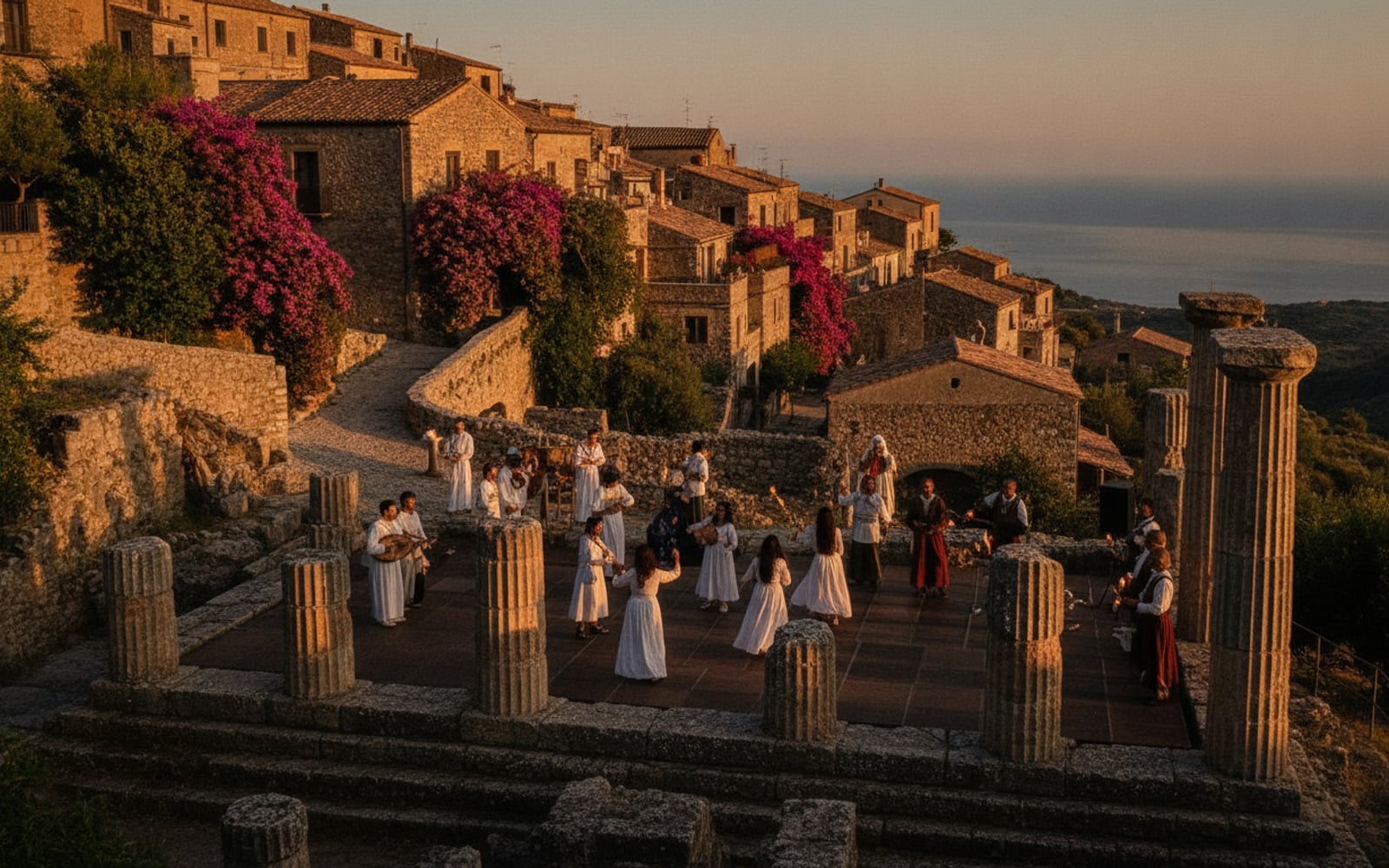
Calabria, a land of myths and legends, a crossroads of millennia-old civilisations, is experiencing a period of extraordinary ferment in the enhancement of its invaluable historical and archaeological heritage. From the vestiges of Magna Graecia to villages nestled in the rock, from museums safeguarding priceless treasures to festivals enlivening the squares, the region is committed to rediscovering and promoting its deepest identity. This renewed impetus, supported by significant investments and ambitious projects, many within the framework of the National Recovery and Resilience Plan (PNRR), aims to position Calabria as a leading cultural destination, capable of offering authentic and immersive experiences.
Magna Graecia in Calabria: Deep Roots and Future Projects
On 31 October 2026, in Paestum, during the XXVIII Mediterranean Exchange of Archaeological Tourism, the 'Locride 2028 – Italian Capital of Archaeology and Historical Tourism' project was presented. Promoted by GAL Terre Locridee and Officine delle Idee, this plan aims to transform the Locride area into a national beacon for archaeological and cultural enhancement, a recognition that underscores the historical importance of this area.
Even the Archaeological Parks of Crotone and Sibari played a prominent role at the Mediterranean Exchange of Archaeological Tourism on 10 November 2026, presenting innovative strategies to strengthen their presence on the national scene and promote the excellences of the Sibaritide and Crotonese areas. These sites, custodians of millennia-old stories, are vital for understanding the origins of Western civilisation.
A cultural bridge between past and present is represented by the international exhibition 'Ispirazioni. Vite italiane dell'arte greca' (Inspirations. Italian Lives of Greek Art), hosted by the National Archaeological Museum of Reggio Calabria from 22 October to 31 December 2026. Curated by Alfonsina Russo, Nikolaos Stampolidis, Roberta Alteri, Alessio De Cristofaro, and Fabrizio Sudano, the exhibition, promoted by the Ministry of Culture as part of the Olivetti Plan, celebrates the profound historical and artistic link between Greece and Italy, offering a unique perspective on Hellenic influence in Italian art.
Calabria's Museums and Archaeological Parks: New Life and Accessibility
The redevelopment of Calabria's museum and archaeological heritage is a priority, as demonstrated by a significant investment of 9 million euros from the PNRR. This funding has enabled the redevelopment of twelve museums and archaeological parks belonging to the Regional Directorate of National Museums Calabria. The interventions, presented on 13 October 2026, aim to make the sites more accessible, sustainable, and efficient, ensuring a better visitor experience and greater protection of the collections.
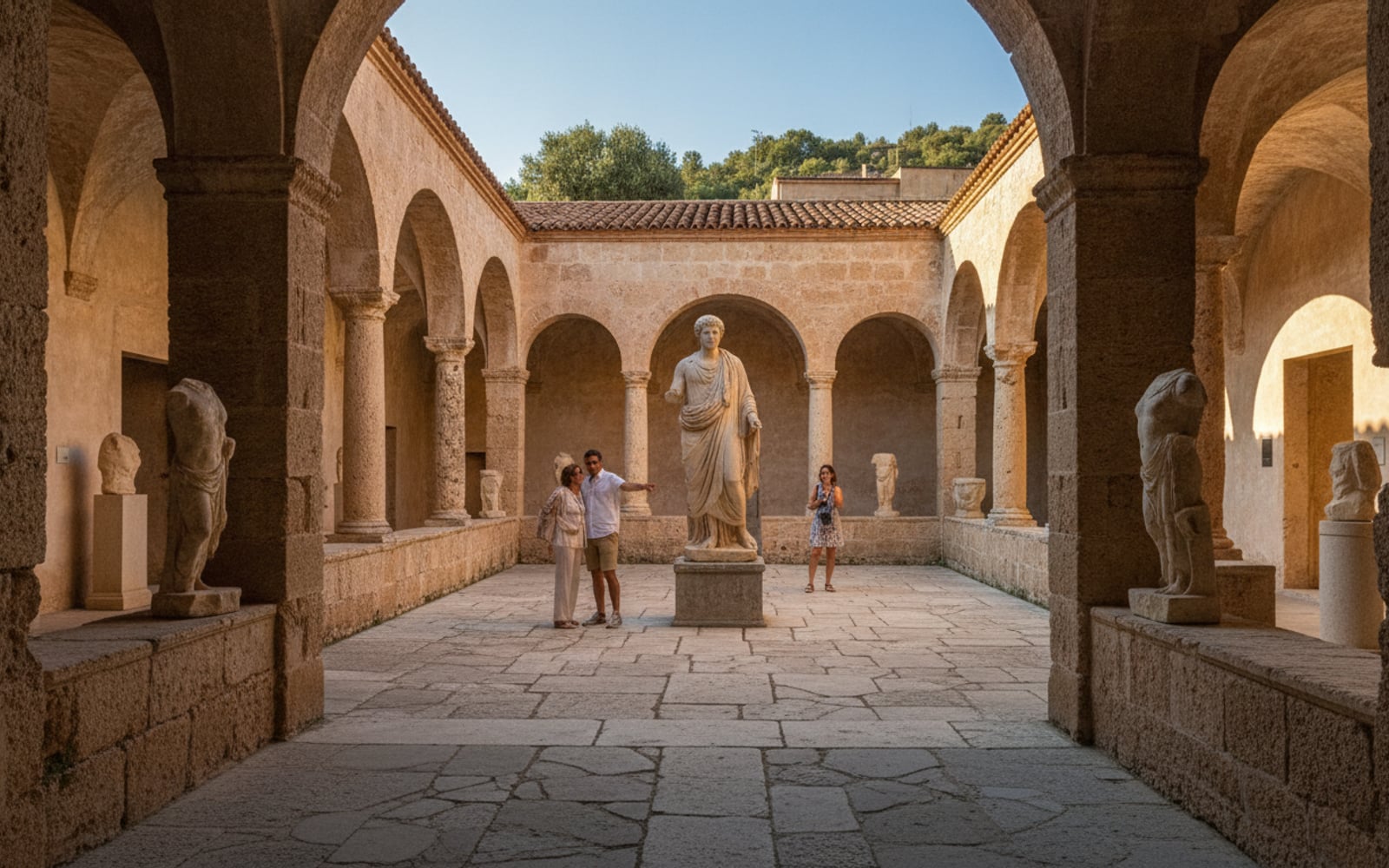
Among the structures involved, the National Gallery of Cosenza, the Lametino Archaeological Museum, reopened on 24 October 2026, and the Mètauros Archaeological Museum of Gioia Tauro, which reopened its doors on 27 October 2026, stand out. Other beneficiary sites include the evocative Cattolica of Stilo, the vast Archaeological Park of Scolacium, and the museums and parks of Bova Marina, Locri, Monasterace, Rosarno, and Mileto.
A particularly significant event was the return, on 23 October 2026, of the marble sarcophagus of Eremburga of Mortain, second wife of Roger I of Hauteville, to the National Museum of Mileto. Coming from the National Archaeological Museum of Naples, the sarcophagus has returned to its historical home in view of the Year of the Normans 2027, an initiative that will celebrate the important Norman legacy in Calabria.
To encourage the use of this rich heritage, the 'CalabriaCulturaPass' was introduced at the XXVIII BMTA in Paestum (29 October - 1 November 2026). This cumulative ticket offers 20% discounts and also involves the prestigious National Archaeological Museum of Reggio Calabria, making visits to multiple sites easier and more convenient.
The Ministry of Culture has also approved a Three-Year Public Works Programme for Cultural Heritage 2025-2027, with a total investment of 176 million euros nationwide. For Calabria, in 2025 alone, approximately 1.25 million euros have been allocated for 10 targeted interventions, mainly in archaeological areas and parks of great value. Among these, over 400 thousand euros are earmarked for Ciminà, 209 thousand euros for the Temple of Apollo Aleo in Cirò Marina, 120 thousand euros for the Archaeological Park of the Tauriani in Palmi, and 80 thousand euros for the Urban Archaeological Park of Vibo Valentia. These funds demonstrate a concrete commitment to the conservation and enhancement of the region's historical roots.
Calabria's Castles and Fortifications: Sentinels of History
Calabrian castles, imposing testimonies of past eras, are receiving increasing attention and enhancement. The Castle of Santa Severina received an important recognition on 10 October 2026: the 'Targa di Segnalazione' (Commendation Plaque) from the Italian Institute of Castles. This award, the first in Calabria, was conferred for the excellence of its restoration, conservation, and public accessibility, serving as a model of virtuous management. The Calabria Section of the Institute celebrated the event with a four-day programme (from 8 to 10 October) that included visits to various fortified architectures in the Sila and Crotone areas, highlighting the richness of the region's castle heritage.
The Aragonese Castle of Reggio Calabria is also at the centre of an ambitious redevelopment and enhancement project. On 17 July 2023, the technical-economic feasibility project was approved, supported by funding of 200,000 euros from POR Calabria FESR/FSE 2014-2020 funds. The objective is the completion of the external paving and the securing of the structure, to restore one of the city's most iconic symbols to its full magnificence.
Cultural Festivals in Calabria: The Pulsating Heart of Tradition
Calabria is a land pulsating with cultural life, with a rich calendar of festivals that enliven the territory and celebrate its many facets. These events not only attract visitors but are also a fundamental vehicle for transmitting traditions and promoting local and international talent.
A Rich Calendar of Events
Among the most significant events are:
Color Fest (Calabria, 11 August 2027)
Emigrant Festival in Samo (Samo, 27 December 2026)
Astrea National Award (Calabria, 5 December 2026)
Tarsia Theatre (Tarsia, from 28 November 2026 to 10 April 2027)
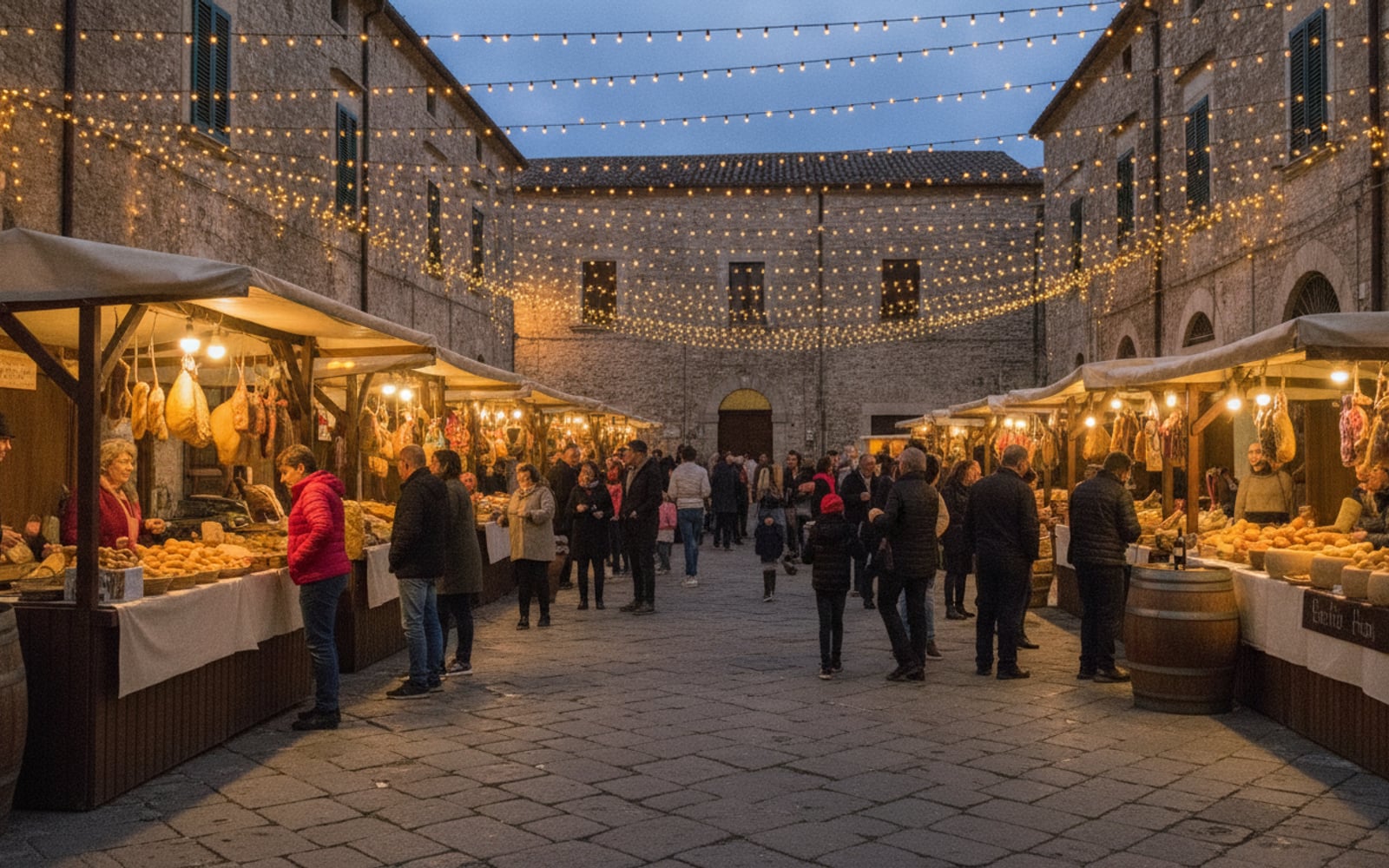
Assaporagionando - The Mediterranean Exhibition of Typical Products (Acri, from 18 to 20 December 2026)
A.M.A. Calabria | The Gospel Night (Lamezia Terme, 27 December 2026)
XX Festival of Calabrian Culture (Pisa, from 18 to 25 September 2024)
3rd Edition of Fotografia Calabria Festival (San Lucido, from 26 July to 25 August 2024)
2nd Edition of the Somewhere Festival (Pizzo Calabro, Tropea, Parghelia, from 11 to 13 August 2024)
Hyle Book Festival (Sila Piccola, from 22 to 24 August 2025)
International Summer Carnival Festival 'The Festival of Colours' (from 12 to 15 September 2025)
'The Value of Landscape as a Community's Cultural Identity' (San Sostene Marina, 19 and 20 August 2026)
'Calabrian Identity – Calabria of the Roots' (Castrovillari, from 8 to 16 November 2025)
Historic Villages and Identity Traditions: Guardians of Calabria's Soul
The enhancement of historic villages and the protection of identity traditions represent fundamental pillars for the preservation of Calabria's most authentic soul. These places, often treasure chests of beauty and history, are the pulsating heart of the region.
In November 2021, an allocation of almost 3.5 million euros (3,414,833 euros) from the Ministries of Culture and Tourism was announced for the recovery and enhancement of four villages of invaluable worth: Fiumefreddo Bruzio and Oriolo in the Cosenza area, Badolato in the Catanzaro area, and Savelli in the Crotone area. These interventions aim to revitalise the historic centres, promoting sustainable and quality tourism.
The Magna Grecia Foundation, in February 2023, was awarded two PNRR tenders for the cultural and social regeneration of small historic villages. These projects, developed in partnership with the Municipality of Scilla and an aggregation of Municipalities including Riace, Stilo, and Pazzano, demonstrate a collaborative and forward-thinking approach to the future of these communities.
An important recognition came on 26 November 2026, when the Superintendency of Archaeology, Fine Arts, and Landscape proposed the recognition of 'notable public interest' for the historic centre of Siderno Superiore. This village is one of four centres selected (together with Caulonia, Gioiosa Ionica, and Precarore/Samo) as part of the 'Paesaggi Reggini' (Reggio Landscapes) project, launched at the beginning of 2025 and involving as many as 97 Municipalities of the Metropolitan City of Reggio Calabria and 60 of the Province of Vibo Valentia, an initiative that aims to protect and promote the landscape and historical beauty of the territory.
Regarding identity traditions, on 12 November 2026, a regional bill was presented for the enhancement of Calabrian identity cultural events. The objective is to create an organic regulatory framework to safeguard and promote events linked to the region's history, culture, and traditions, including those of the Arbëreshë, Greek, and Occitan linguistic minorities, an intangible heritage of invaluable worth.
Among the most significant traditions that define Calabrian identity are:
The Varia of Palmi
The Rite of the Pupazze during Holy Week
The Historic Carnival of Castrovillari
A Future of Culture and Rediscovery
Calabria, with its millennia-old history and vibrant culture, is more ready than ever to reveal its treasures to the world. The joint efforts of institutions, local communities, and cultural operators are creating a dynamic ecosystem, capable of attracting visitors and investments, but above all of strengthening the sense of belonging and identity pride of Calabrians.
Key Initiatives for Enhancement
'Locride 2028' Project
PNRR Investments for Museums and Parks
'CalabriaCulturaPass'
Recognition for Santa Severina Castle
Diverse Cultural Festivals
Restoration of Historic Villages
Protection of Identity Traditions
Calabria is not just a land to visit, but an experience to live, a journey through the centuries that promises continuous discoveries. With constant commitment and a forward-looking vision, the region is establishing itself as a beacon of culture in the Mediterranean, a place where the past dialogues with the present to build an even brighter future.