Calabria: A Deep Journey into History and Identity, From Magna Graecia to Millenary Villages
Calabria, a land of myths and legends, holds an invaluable historical and archaeological heritage, bearing witness to millennia of civilisations. From the vestiges of Magna Graecia to majestic Norman castles, from villages nestled in the rock to living traditions, the region reveals itself as an open-air museum, ready to unveil its most authentic soul through careful enhancement.
Calabria, with its strategic position in the heart of the Mediterranean, has been a crossroads of peoples and cultures, a natural stage where millennia-old civilisations have succeeded one another, leaving an invaluable historical and archaeological legacy. This land, often perceived only for its breathtaking coasts, is in reality a treasure trove that tells stories of Greeks, Romans, Byzantines, Normans, Swabians, and Angevins. The enhancement of this immense heritage is not only a cultural duty but a cornerstone for sustainable development and the affirmation of a strong and conscious regional identity.
Magna Graecia: Deep Roots of Civilisation
Calabria's connection with Magna Graecia is indissoluble and profound. Cities like Sybaris, Crotone, and Locri Epizephyrii are not just names on ancient maps, but archaeological sites that continue to yield artefacts of extraordinary beauty and importance. Greek colonisation, which began in the 8th century BC, shaped the landscape, culture, and even the Calabrian dialect, leaving an indelible mark that still resonates today among the ruins and in museums. The archaeological area of Locri Epizephyrii, with its theatre, the sanctuary of Persephone, and the city walls, offers a privileged window into one of antiquity's most flourishing city-states. Similarly, Capo Colonna in Crotone, with the sole surviving Doric column of the Temple of Hera Lacinia, evokes the grandeur of a Panhellenic sanctuary that attracted pilgrims from across the Mediterranean. The current challenge is to make these sites not only places of study but immersive experiences for visitors, through innovative educational paths and the use of digital technologies that can reconstruct their lost magnificence.
Archaeological Museums: Guardians of Memory
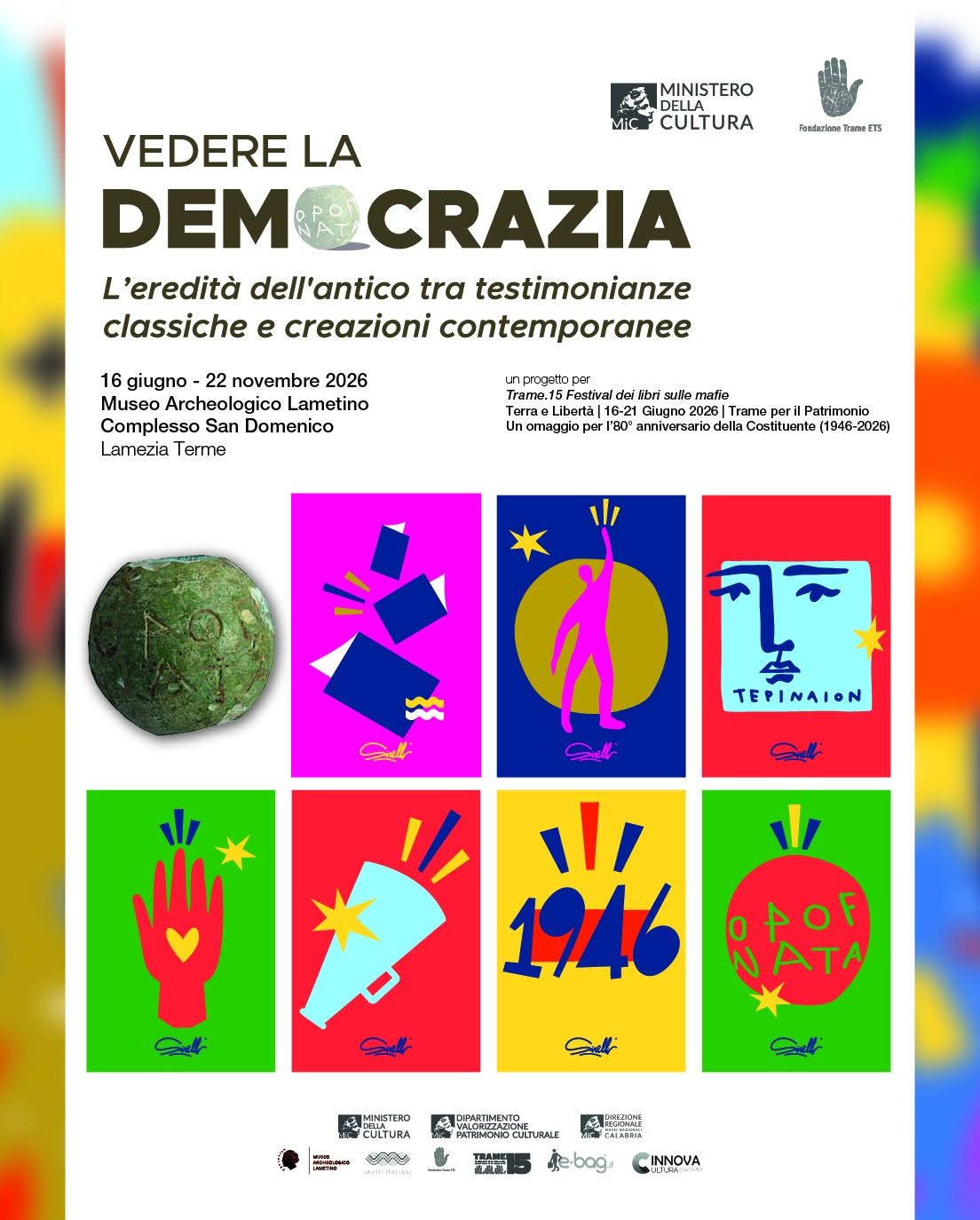
Calabrian museums are the silent guardians of this wealth. The National Archaeological Museum of Reggio Calabria, world-renowned for the Riace Bronzes, is the focal point of this millennia-old narrative. But it is not the only one: every province, almost every village, boasts a small or large museum that tells the local story. The Scolacium National Archaeological Park and Museum in Roccelletta di Borgia (CZ), the National Archaeological Museum of Vibo Valentia, the National Archaeological Museum of Crotone, and that of Sybaris, are just a few examples of institutions that preserve and display thousands of artefacts, from ceramics to jewellery, from coins to sculptures, testifying to the daily life, beliefs, and art of the civilisations that inhabited this land. Enhancement also involves the creation of museum networks, capable of promoting thematic itineraries and facilitating access for an increasingly broad and diverse audience.
Castles, Villages, and Fortifications: Sentinels of Time
Beyond the Greek and Roman vestiges, Calabria is dotted with an impressive constellation of castles, coastal towers, and fortified villages, witnesses to subsequent eras, from the Middle Ages to the Renaissance. These structures, often perched on promontories or hills, are not just monuments but true cultural landscapes that tell stories of defence, power, and daily life. The Aragonese Castle of Pizzo, the Castle of Corigliano Calabro, the Ruffo Castle of Scilla, and the fortress of Le Castella in Isola Capo Rizzuto, are just a few examples of architectures that dominate the territory, offering breathtaking views and a dive into the past. Many of these castles have been restored and converted into museum spaces, cultural centres, or event venues, actively contributing to the revitalisation of the historic centres where they stand.
The Charm of Historic Villages
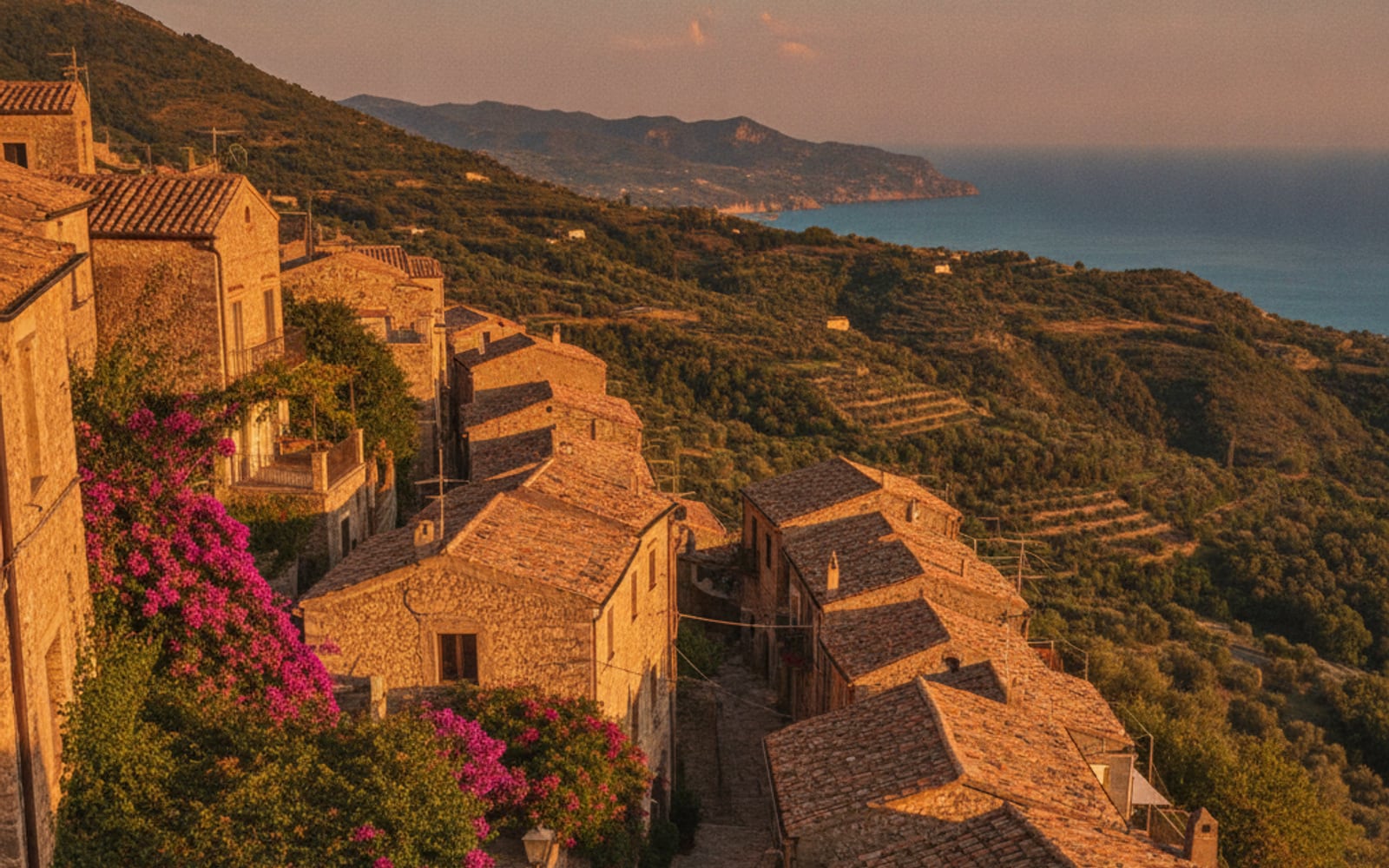
Calabrian historic villages represent a separate chapter in heritage enhancement. Gerace, Stilo, Morano Calabro, Civita, Altomonte, Bova, to name just a few, are jewels nestled in the landscape, where time seems to have stood still. Their cobbled streets, stone houses, ancient churches, and evocative panoramas attract visitors seeking authenticity. The challenge is to preserve their architectural and social integrity, counteracting depopulation and promoting slow, conscious tourism that values the artisanal, food and wine traditions, and the peculiarities of each community. Urban recovery and regeneration projects, combined with cultural initiatives, are slowly bringing these places back to life, transforming them into models of sustainable development.
Festivals, Traditions, and Cultural Rebirth
Heritage enhancement is not exhausted by preserving the past but also nourished by the vitality of the present. Calabria is a land rich in popular traditions, ancestral rites, and fervent cultural activity that enlivens the territory throughout the year. Festivals, sagre (local food festivals), historical re-enactments, and artistic events are powerful tools to keep identity roots alive and attract new audiences. Events like the Color Fest, which draws international bands and artists, or the Astrea National Award, dedicated to the values of justice, are striking examples of how Calabria knows how to combine its history with a dynamic and contemporary cultural offering. Initiatives such as Tarsia Teatro, which offers quality theatre seasons, or Assaporagionando – The Mediterranean Exhibition of Typical Products, which celebrates local food and wine, also contribute to creating a lively and attractive cultural fabric.
Events that Animate the Territory
Calabrian cultural programming is a mosaic of events ranging from music to theatre, from historical re-enactments to religious celebrations. These events not only entertain but also educate and connect people to their history and traditions. The Living Nativity Scene of Gasperina, for example, is an event that every year, from 1st to 3rd January, transforms the historic centre into a revisited Bethlehem, involving the entire community and attracting thousands of visitors. Similarly, concerts like 'La Notte del Gospel' (The Gospel Night) in Lamezia Terme, organised by A.M.A. Calabria, enrich the musical offering and attract a diverse audience. The ability to organise and promote these events, often with the involvement of local communities, is fundamental for the enhancement of intangible heritage and for the creation of a complete and diversified cultural tourism offering.> "Calabria is not just a region to visit, but an experience to live, a journey through millennia that reveals the deep soul of the Mediterranean. Its history is our greatest wealth, and its enhancement is the key to a prosperous and conscious future."In conclusion, Calabria presents itself as an open-air cultural laboratory, where the past constantly dialogues with the present. The enhancement of its historical and archaeological heritage, from the glories of Magna Graecia to medieval villages, from museums housing invaluable treasures to festivals enlivening the squares, is a complex but exciting journey. It requires investments, synergies between public and private entities, and above all, a long-term vision that recognises culture as the primary engine of development. Only then can Calabria fully establish itself as one of the most fascinating and authentic cultural destinations in the Mediterranean, capable of offering a profound and unforgettable experience to anyone who decides to explore its secrets.