Calabria, Millennial Guardian: A Cultural Renaissance among Magna Graecia, Castles, and Enchanted Villages
Calabria emerges as a beacon of culture and history, investing heavily in enhancing its invaluable archaeological and identity heritage. From the ancient splendours of Magna Graecia to majestic castles, from vibrant festivals to villages that preserve centuries-old traditions, the region is experiencing a golden age of rediscovery and promotion, attracting national and international attention.

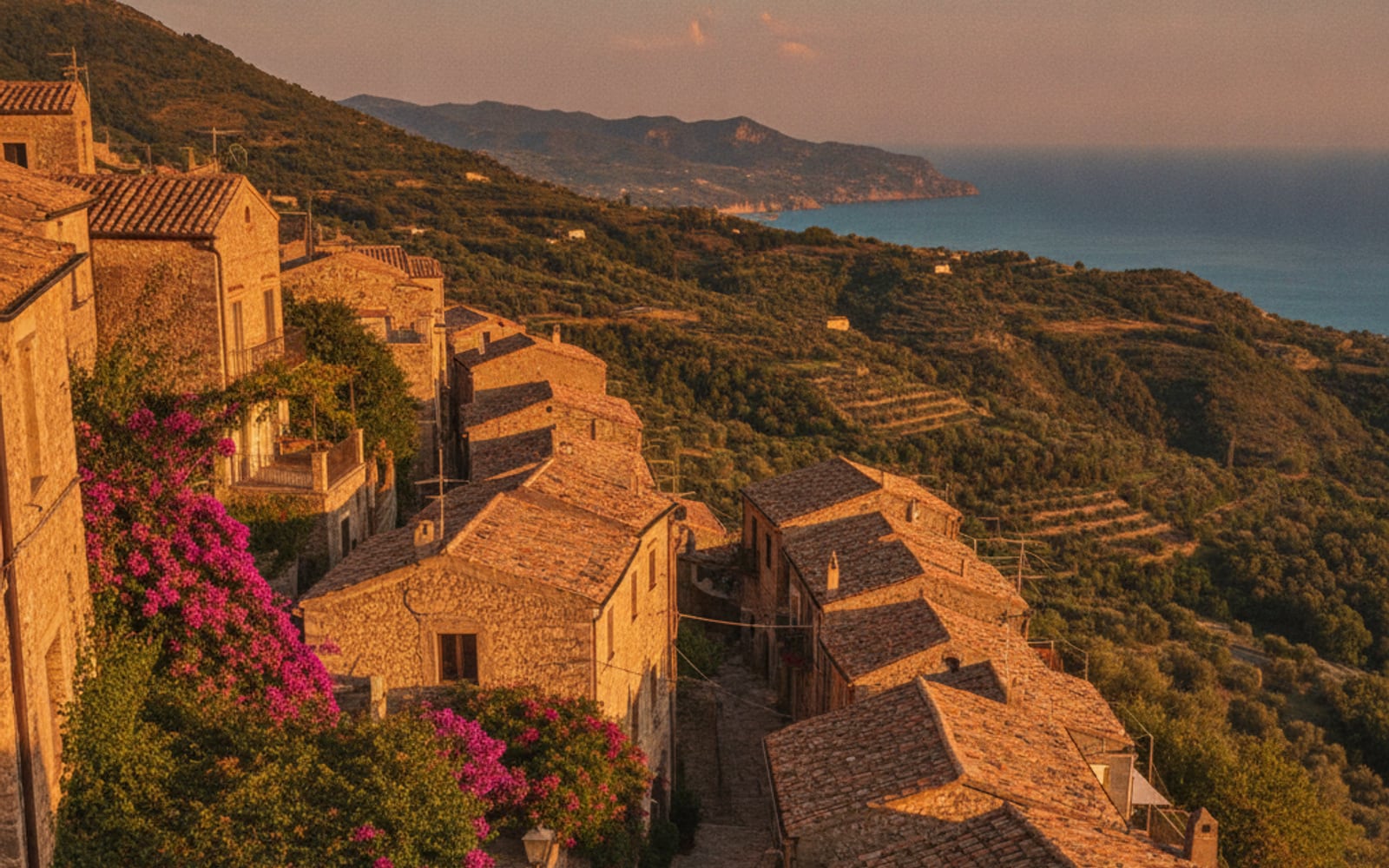
Calabria, a land of myths and legends, a crossroads of millennial civilisations, is experiencing an era of extraordinary cultural rebirth. Far from being merely a summer destination, the region is establishing itself as a cultural tourism hub, thanks to an unprecedented commitment to enhancing its immense historical and archaeological heritage. From the echoes of Magna Graecia to medieval splendours, from the identity-defining traditions that animate the most hidden villages to festivals celebrating art, Calabria reveals itself as a continuous discovery, a fascinating journey through the centuries. This ferment, supported by substantial investments and a forward-thinking strategic vision, positions it among the most dynamic regions in the Italian cultural landscape, ready to offer authentic and profound experiences.
Museums and Magna Graecia: A Rediscovered and Accessible Heritage
The enhancement of Calabria's archaeological heritage, particularly that linked to Magna Graecia, is at the heart of an ambitious revitalisation plan. An investment of over nine million euros, drawn from PNRR funds, has enabled the requalification, energy efficiency improvements, and enhanced accessibility of twelve sites managed by the Regional Directorate of National Museums Calabria. These interventions, presented on 13 October 2026 in Cosenza, are fundamental for removing architectural barriers and reducing energy consumption, making cultural sites more sustainable and inclusive.
Details on Reopened Museums and New Acquisitions
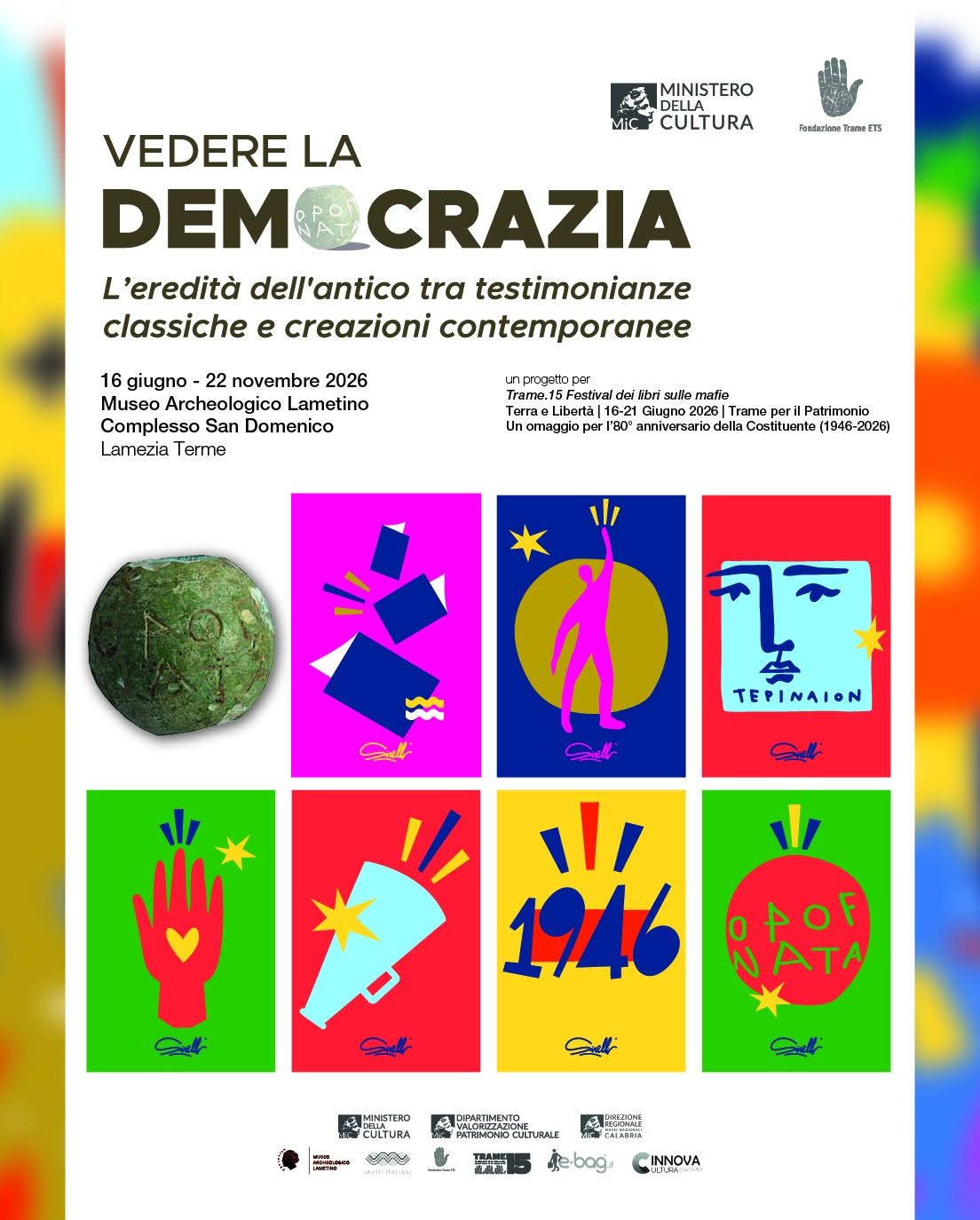
On 23 October 2026, the National Museum of Mileto (Vibo Valentia) welcomed back the marble sarcophagus of Eremburga of Mortain (2nd century AD), second wife of Roger I of Hauteville, an event anticipating the celebrations for the Year of the Normans 2027. The Lametino Archaeological Museum in Lamezia Terme reopened on 24 October 2026, followed by the Archaeological Museum of Mètauros in Gioia Tauro on 27 October 2026, both after a long period of closure that allowed for their reorganisation and modernisation.
The Strategy at the Mediterranean Exchange of Archaeological Tourism
Calabria presented its museum and territorial enhancement strategy at the Mediterranean Exchange of Archaeological Tourism in Paestum in October 2026. At its core, the programme «The Riace Bronzes. Calabria of Myth» involved all five provinces, connecting the National Archaeological Museum of Reggio Calabria with other important cultural sites. The objective is to attract visitors in all seasons, offering integrated and high-value thematic itineraries.
Castles: Stone Sentinels and Guardians of Millennial Stories
The Calabrian landscape is dotted with over a hundred castles, coastal towers, and inland fortifications, silent witnesses to a glorious past. Many are now open to visitors and represent a highly captivating attraction.
Recognitions and Increase in Visits
Santa Severina Castle (Crotone), in October 2026, received the prestigious «Commendation Plaque» from the Italian Institute of Castles, the first in Calabria to receive such recognition. This award celebrates a thirty-year journey of restoration, recovery, and enhancement, based on criteria of authenticity, conservation, and usability. The castle houses the Museum of Santa Severina and the Study Centre on Calabrian Fortifications. The Aragonese Castle of Reggio Calabria also recorded remarkable success, with over 21,000 visits and revenue of 50,750 euros by 31 October 2025, almost doubling the attendance of 2022 and hosting over two hundred cultural events.
Cultural Festivals: A Vibrant Calendar for Every Passion
Calabria pulsates with cultural life, animated by a rich and varied calendar of festivals celebrating art, music, theatre, and traditions. These events offer a unique opportunity to immerse oneself in the region's most authentic soul.
Recent and Upcoming Events Animating Calabria2026 proved to be a particularly prolific year for cultural events, with nationally and internationally renowned manifestations.
Color Fest
Astrea National Award
Tarsia Theatre
Assaporagionando - The Mediterranean Exhibition of Typical Products
A.M.A. Calabria | The Gospel Night
Panettieri Living Nativity Scene
Autumn Festival (XXIII edition)
Zefiro in Jazz 2026
Festival of Narratives "Variations"
Chocolate Festival
National New Wine Exhibition
'Sips and stories of beauty'
'The value of landscape as a community's cultural identity'
Festival of the South
Historic Villages and Identity-Defining Traditions: The Authentic Heart of Calabria
Calabria is a constellation of historic villages, each with its own soul and traditions. Their enhancement is crucial for preserving the region's cultural identity and offering experiential tourism.
Innovation and Tradition in the Villages
Aiello Calabro, on 31 October 2026, secured second place in the «Most Beautiful Villages of Calabria» contest. Innovation blends with tradition: on 22 November 2026, a free 3
D virtual tour of the Archaeological Park of Tauriani (Palmi) was launched, interactively reconstructing the Taureana promontory on the Costa Viola in 3
D graphics. The Magna Graecia Foundation is also involved in PNRR projects for the regeneration and enhancement of historic villages such as Scilla, Riace, Stilo, and Pazzano, with the aim of recovering heritage and supporting cultural and tourist activities.
Safeguarding Roots and Origins Tourism
Safeguarding traditions is a cornerstone of Calabria's cultural strategy. On 12 November 2026, a regional bill was presented for the enhancement of Calabria's identity-defining cultural events, aimed at protecting and promoting centuries-old traditions, historical re-enactments, and the linguistic expressions of historical minorities. An example is the event on 21 November 2026 at the Tonnara di Bivona, which highlighted the «pani cu cuccu». On 16 November 2026, the Literary Park «Corrado Alvaro: People in Aspromonte» was established. Finally, the Calabria Region participated in Roots-IN 2026 in Matera, promoting "Origins Tourism" with itineraries and experiences linked to the rediscovery of roots, strengthening the bond between Calabrian communities worldwide and their places of origin.Conclusion:Calabria, with its millennial history and vibrant contemporaneity, is establishing itself as a first-rate cultural destination. The commitment shown in enhancing its archaeological treasures, majestic castles, enchanted villages, and most authentic traditions, testifies to a clear and ambitious vision. Through targeted investments, innovation, and a profound awareness of its own value, the region is building a future where culture is not just memory, but a driver of development and identity, inviting the world to discover its deepest and most extraordinary soul.