Pizzo Calabro: The City of Gelato and a Dream Village on the Coast of the Gods
Discover Pizzo Calabro, the enchanting village on the Tyrrhenian Sea, famous as the 'city of gelato'. History, breathtaking beaches, and the renowned Murat Castle await you.
Pizzo Calabro: A Jewel Overlooking the Tyrrhenian Sea and Gelato Capital
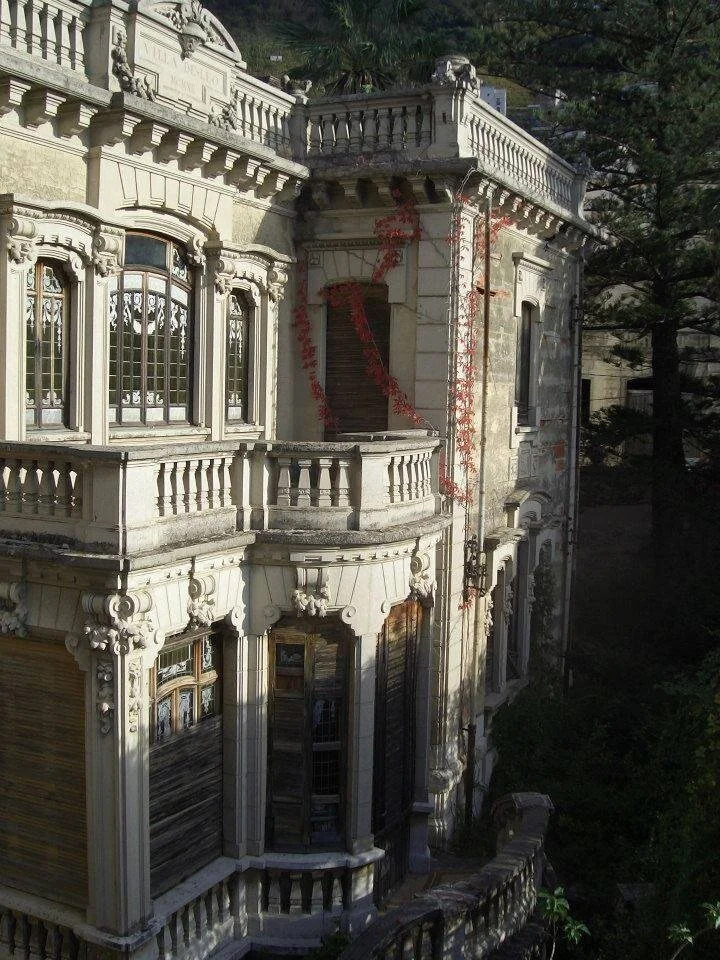
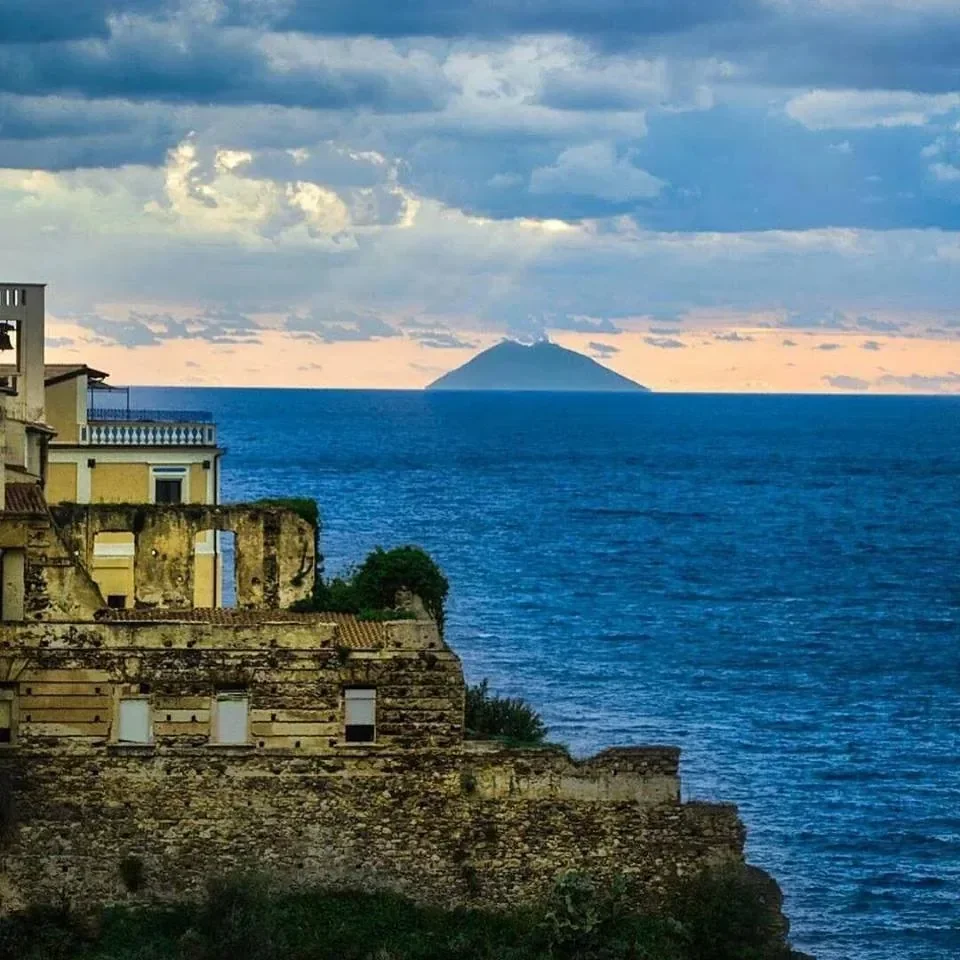
Gracefully nestled on a tufa spur that plunges steeply into the crystalline waters of the Tyrrhenian Sea, Pizzo Calabro is a village that captivates at first sight. This pearl of the Coast of the Gods, at the center of the enchanting Gulf of Sant'Eufemia, is a true labyrinth of cobbled streets and staircases that open onto breathtaking panoramas. Its name, 'Pizzo' (meaning 'peak' or 'bird's beak'), perfectly describes its dominant position. But Pizzo is not just scenic beauty: it is the 'city of gelato' par excellence, guardian of a historic ice cream tradition that gave birth to the famous Tartufo di Pizzo, a delight you absolutely must taste!
Pizzo Calabro, a village carved into the rock, where the blue of the sea meets the charm of history.
The Coast of the Gods: Between Enchanting Beaches and Mysterious Caves
The territory of Pizzo extends along a varied coastline, a true paradise for sea lovers. To the northeast, wide sandy beaches alternate with rocky stretches, creating ever-changing scenarios. Here, the Mediterranean pine forest merges with the rock, offering almost 9 km of coastline to explore. Moving south, the coast becomes wilder and more evocative, with numerous hidden coves and natural rock formations. The Grotta Azzurra, recently reopened, is a must-see, a natural jewel where plays of light create magical atmospheres. In the center of the town, the small but charming Spiaggia della Seggiola offers a peaceful corner, dominated by the imposing Aragonese Castle, while the Marina is the beating heart of summer evenings, a lively place to enjoy the sea breeze.
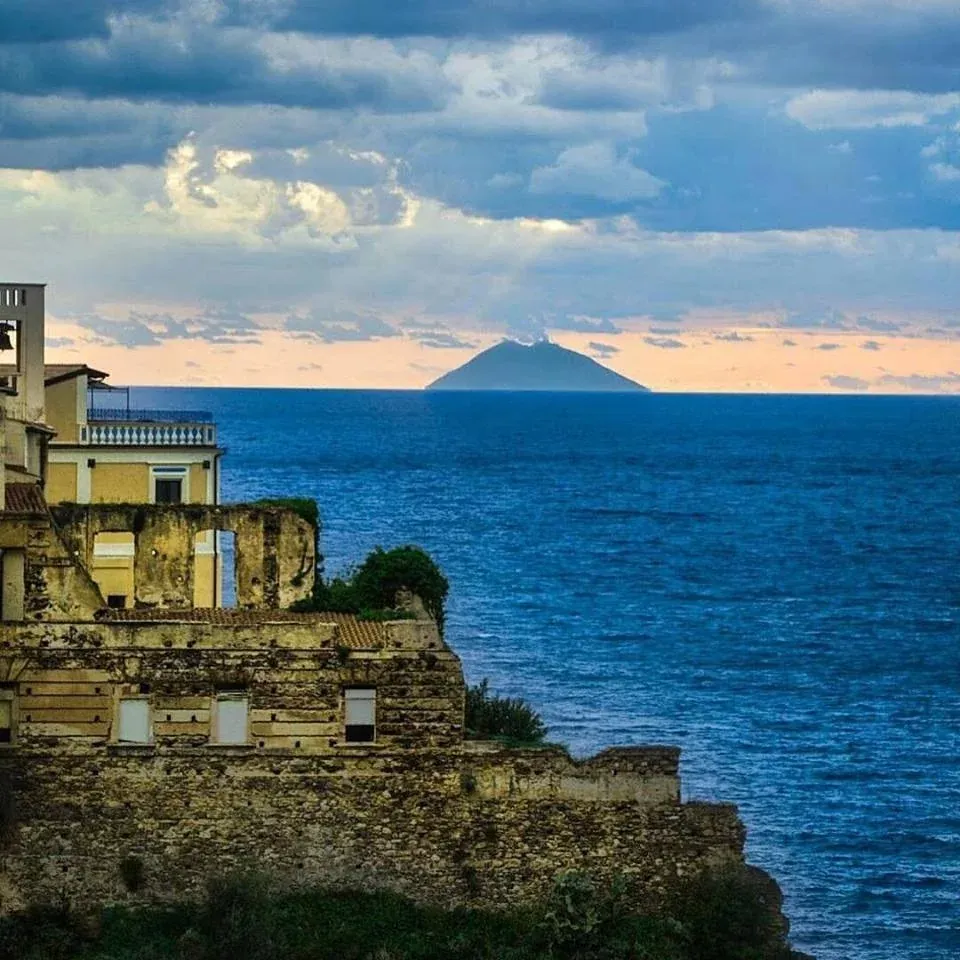
The golden beaches and crystal-clear waters of Pizzo, an irresistible invitation to dive into the beauty of the Coast of the Gods.
Murat Castle and the Historical Heritage of a Fishing Village
The history of Pizzo is deeply linked to its imposing Aragonese Castle, today known as Murat Castle. Erected in the second half of the 15th century by Ferdinand I of Aragon, this quadrangular fort with two cylindrical towers is sadly famous for being the place of imprisonment and subsequent execution of Joachim Murat, King of Naples and Napoleon Bonaparte's brother-in-law, on October 13, 1815. Today it houses the Joachim Murat Museum and Library, an emotional journey through the events of that era. But Pizzo is also a village that has lived for centuries by the sea and fishing, particularly tuna fishing. Traces of the ancient tuna traps are still visible along the coast, especially in the Prangi area, near the evocative Chiesa di Piedigrotta, carved into the rock. These maritime roots have shaped the local identity and gastronomy, making Pizzo a place where history merges with the authentic taste of the sea.
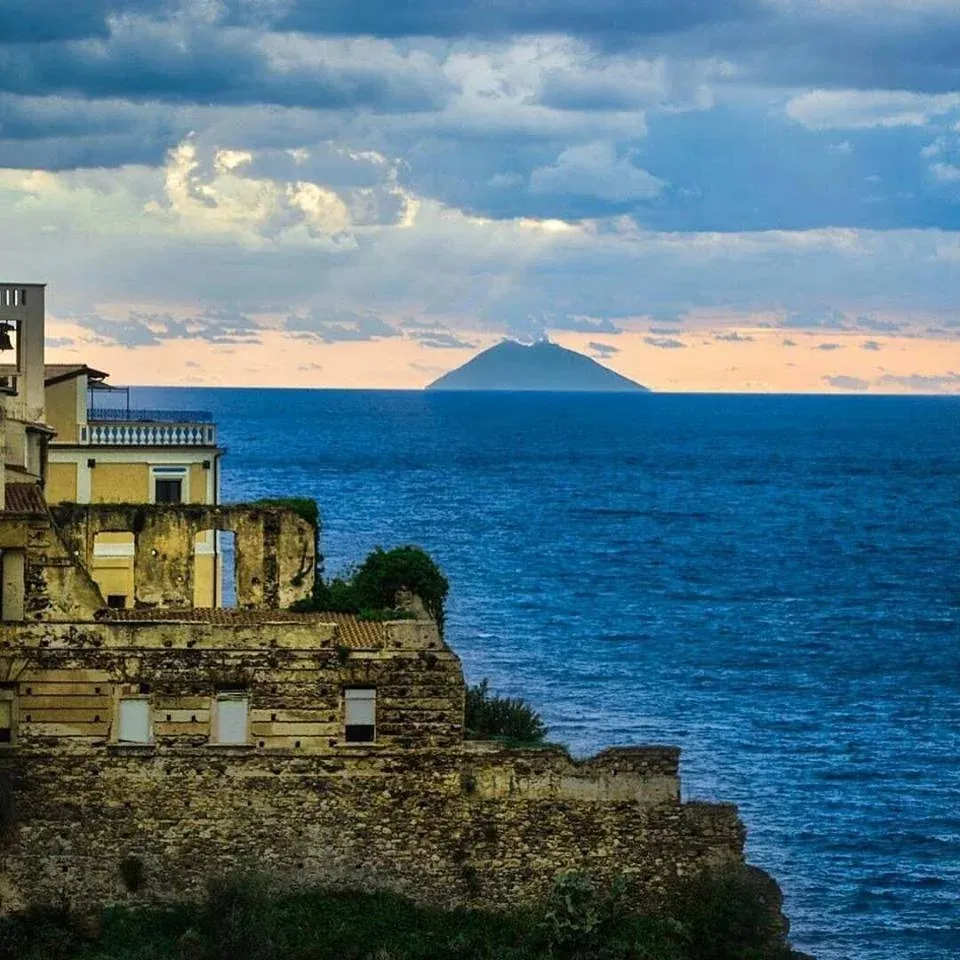
The majestic Murat Castle, guardian of stories and legends, dominates the village of Pizzo with its imposing presence.
Treasures of Faith and Art: The Churches of Pizzo
Pizzo preserves a religious heritage of great value, with churches that tell centuries of faith and art. The Duomo di San Giorgio Martire, in Baroque style, is the spiritual heart of the village, with its funerary slab of Joachim Murat and valuable works of art. No less fascinating is the Chiesa di Piedigrotta, a true masterpiece carved entirely into the rock, where statues and altars are sculpted directly into the sandstone, creating a unique and mystical atmosphere. The Chiesa del Purgatorio, also known as 'of the Dead', with its underground crypt, offers a suggestive glimpse into ancient traditions. And again, the Chiesa della Madonna del Carmine, the oldest in Pizzo, and the Chiesa di San Sebastiano, rich in stuccoes and wooden statues, complete an itinerary that combines spirituality and artistic beauty.