The Tracciolino Trail on Costa Viola, Palmi: A Journey Through History and Breathtaking Views
Explore Palmi's Tracciolino, an ancient hydraulic path now a stunning hiking trail. Dive into history and enjoy unique sky-and-sea views on the enchanting Costa Viola.
The Tracciolino: A Journey Through History and Nature on the Costa Viola
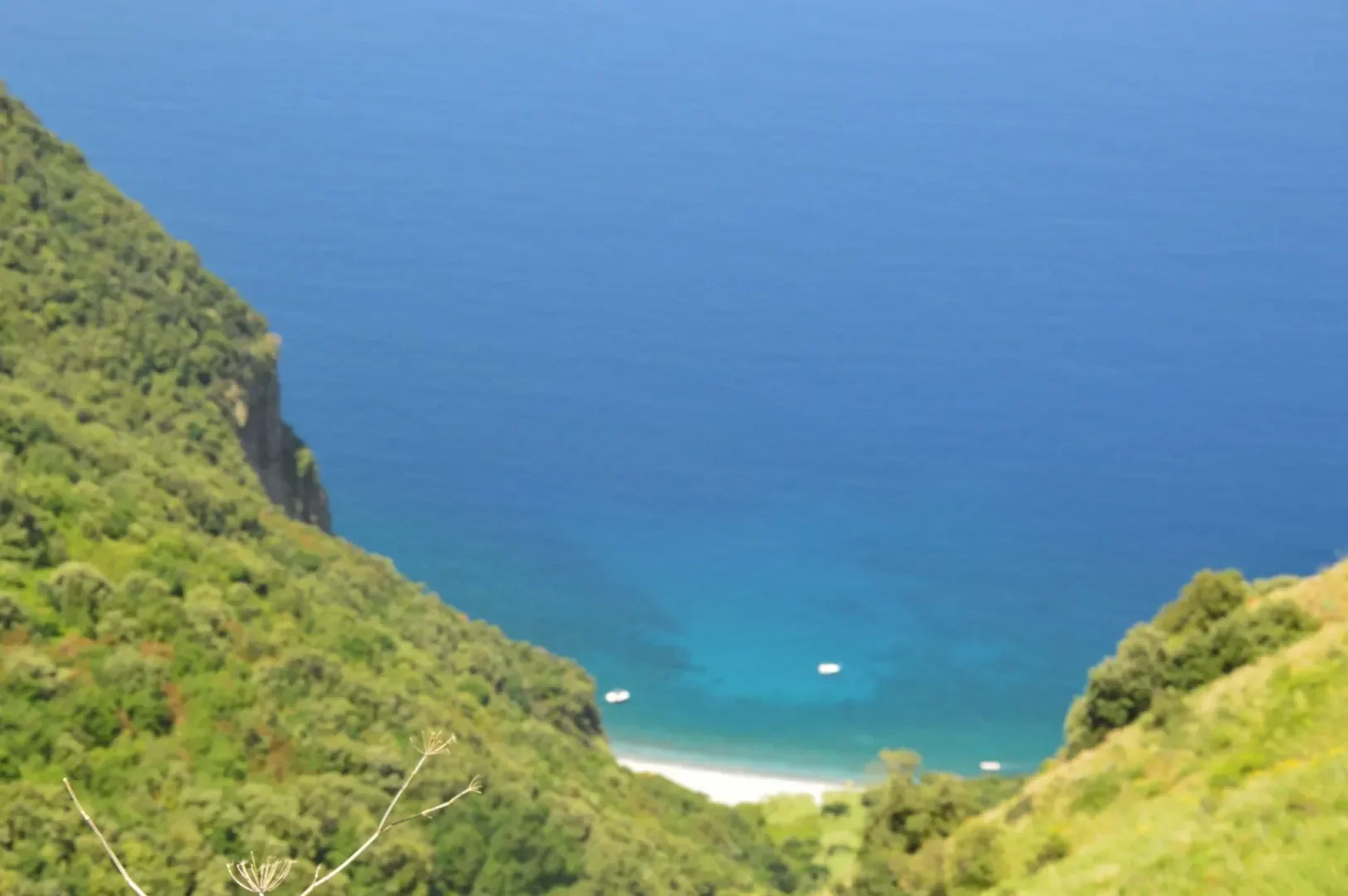
Imagine a trail where every step echoes with the past and every glance loses itself in the infinite blue of the Tyrrhenian Sea. This is the Tracciolino of Palmi, a path winding along the evocative Costa Viola, once a hydraulic engineering feat and now a favorite destination for hikers and nature lovers. Its history dates back to the 16th century, when it served as a vital link for agricultural needs and as part of an ingenious water supply system. It was already immortalized in 1928, as evidenced by Theodore Brenson's "Visions of Calabria," with an introductory essay by the visionary environmentalist Luigi Parpagliolo. Walking the Tracciolino means immersing yourself in a landscape where human ingenuity and the grandeur of nature merge in perfect harmony, offering breathtaking views that stretch from sky to sea.
The Tracciolino winds between rock and sea, offering unforgettable views of the Costa Viola.
Palmi's Ancient Hydraulic Heart: Concublet's Legacy and Arab Techniques
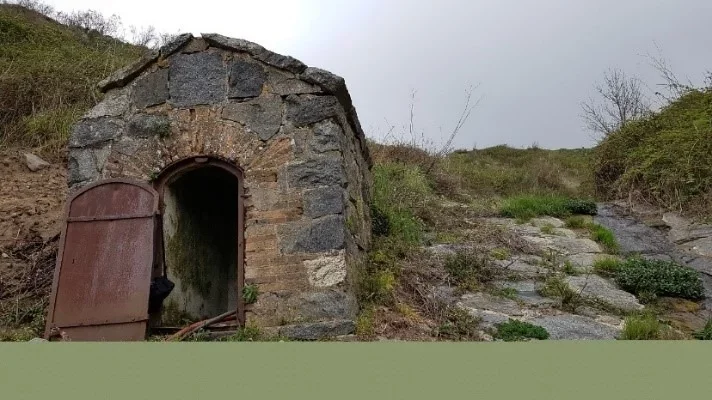
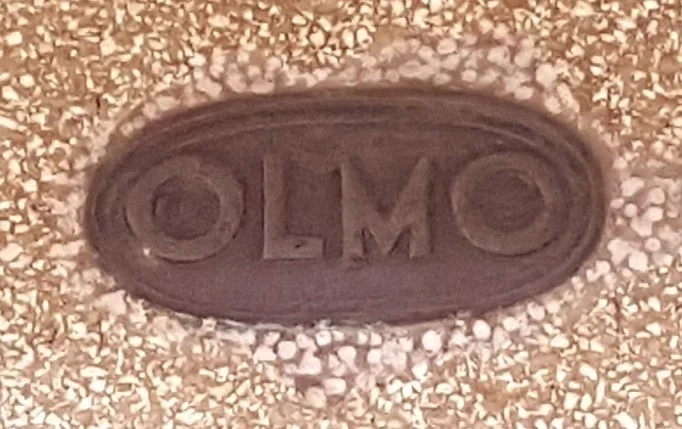
The Tracciolino is not just a scenic trail, but a true open-air museum of hydraulic engineering. It was Marquis Andrea Concublet, founder of modern Palmi in the 17th century, who commissioned an impressive work to channel water from the Olmo spring to the city, introducing the revolutionary concept of water as a "public good." Thanks to him, Palmi's terraces became a lush garden, fed by a system managed by the "Maestri d'acqua" (water masters), professionals who ensured the equitable distribution of this resource. But the hydraulic ingenuity of these places has even older roots, with influences from Arab and Byzantine cultures. Along the San Michele Valley, the "Valley of the Mills," you can still admire ruins of mills and oil presses, along with irrigation systems like the "Mastre" and "Gèbbie" (storage basins), and the sophisticated qanāt, underground tunnels for water collection and transport. These structures bear witness to millennia of wisdom in managing a vital resource.
Ancient hydraulic structures and storage basins (Gèbbie) in the Valley of the Mills, testament to Arab-Byzantine ingenuity.
Evolution and Rebirth: From the Seventeenth Century to the "Green Backbone" Project
The Tracciolino's water systems have spanned centuries, evolving and adapting to the times. From the glazed terracotta pipes of the 17th century, likely made in Seminara, they transitioned to 19th-century cast iron pipes, possibly from the historic Royal Ironworks of Mongiana, up to 20th-century modernizations with iron piping. This historical layering makes the path even more fascinating, a true open book on technological evolution. Today, the Tracciolino is experiencing a new spring thanks to projects like the "Dorsale verde" (Green Backbone), a major slow mobility itinerary that aims to enhance the landscape and historical-cultural heritage of the Costa Viola. Walking here is not just a physical activity, but an experience that nourishes the soul, allowing you to connect deeply with the history, nature, and authenticity of a Calabria still waiting to be discovered. It's an invitation to slow down, observe, and feel the pulse of a land rich in stories and beauty.