The Olive Tree Rock of Palmi Is a National Geosite: What It Means and Why
ISPRA has officially added Palmi's Olive Tree Rock to Italy's National Geosite Inventory: inside its rare mylonite rocks studied with the University of Catania and 60 million years of tectonic history.
Introduction: The Costa Viola Icon Joins ISPRA Heritage
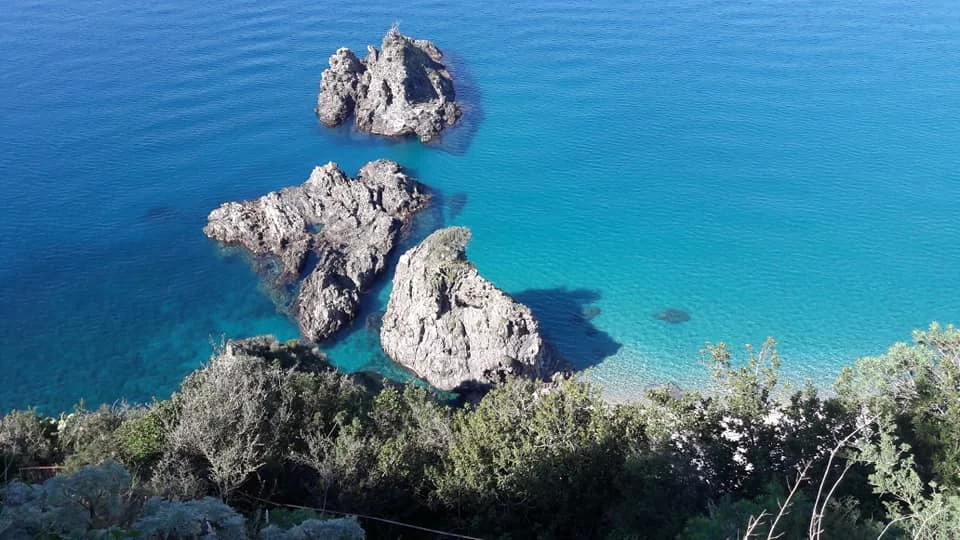
The Scoglio dell'Ulivo in Palmi is no longer 'only' one of the most beloved landmarks of the Costa Viola: it has officially entered Italy's geological heritage.
ISPRA (Italian Institute for Environmental Protection and Research) listed it in the National Inventory of Geosites. Above the turquoise waters of Tonnara beach, an ancient wild olive tree (Olea europaea var. sylvestris) clings to the rock—yet the deepest secret lies inside the stone itself.
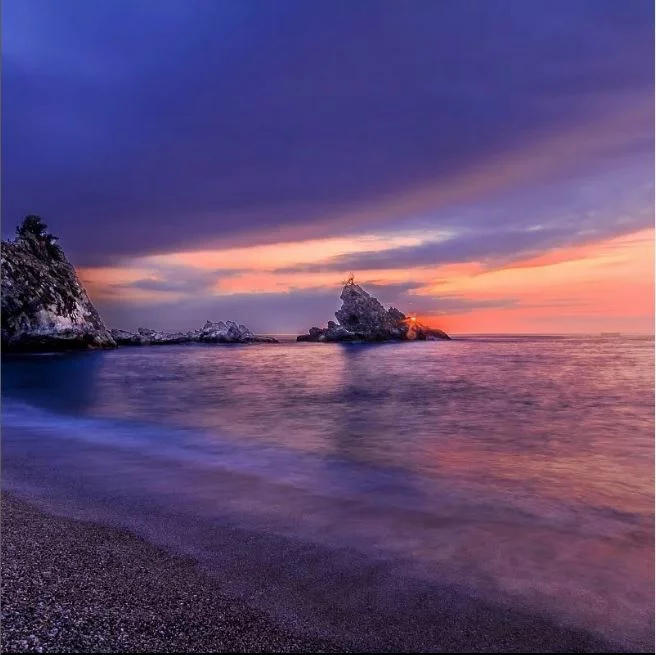
Scoglio dell'Ulivo — @wildcalabriaexperience.
The News: Designation with the University of Catania
Being listed as an ISPRA National Geosite recognizes the islet's outstanding scientific, natural, and landscape significance.
The milestone resulted from research backed by Palmi's Tourism Department and geologists at the University of Catania, who brought to light the exceptional rocks forming this coastal outcrop.
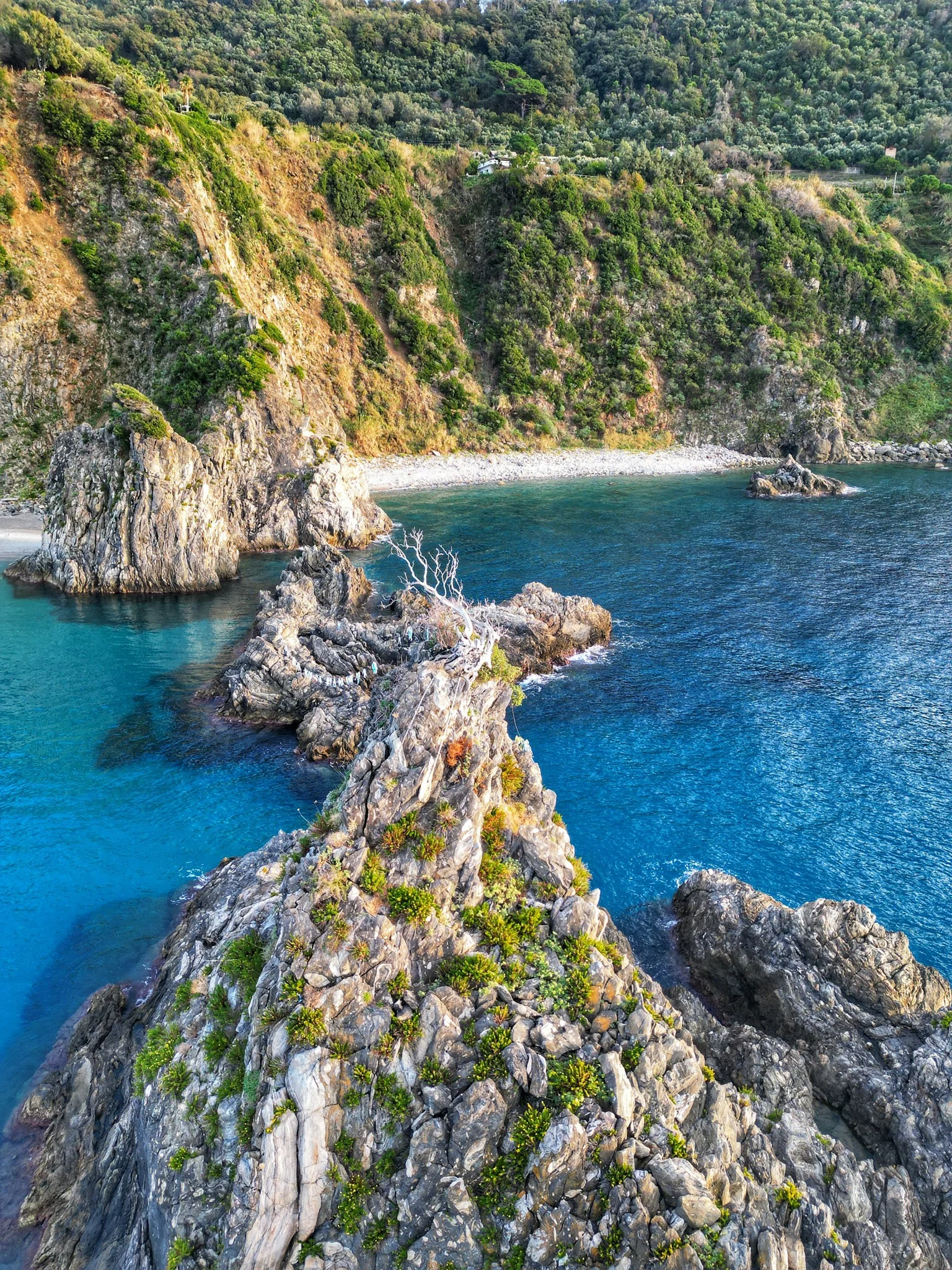
Scoglio dell'Ulivo (ph Carmelo Ranieri).
The Secret in the Stone: What Are Mylonites?
The islet is composed of rare metamorphic rocks called mylonites, formed over 10–15 km deep under extreme pressure and 250–300 °C heat along a crustal shear zone.
In a study published in the Journal of Structural Geology, University of Catania researchers described them as a geological 'sliding track' between two major blocks: the Serre massif to the north and Aspromonte to the south, preserving 60 million years of western Mediterranean tectonic history.
- Conservation: strengthens environmental protection.
- Geotourism: complements the UNESCO Aspromonte Geopark.
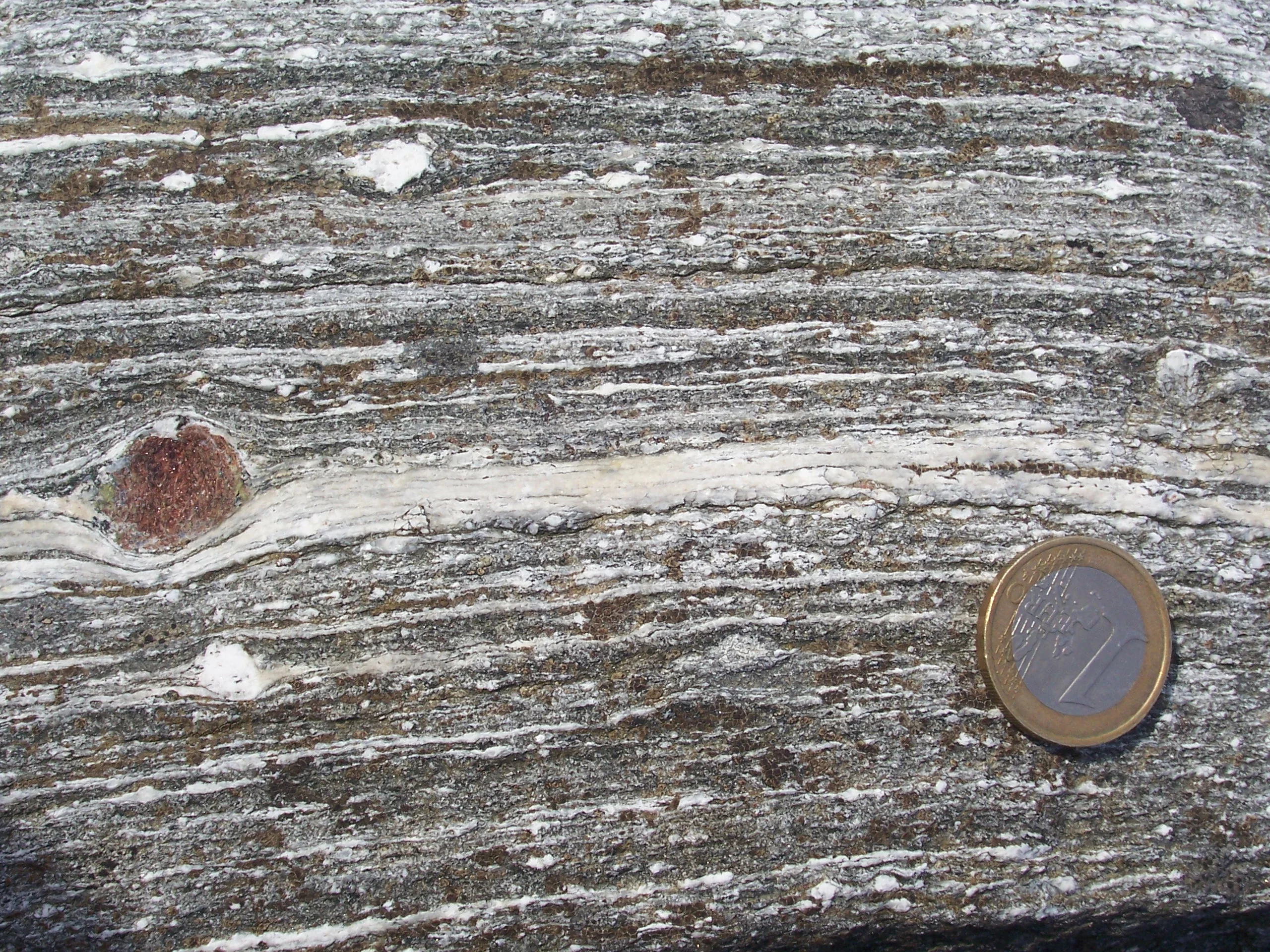
Mylonite metamorphic shear-zone rock — source CC BY-SA 1.0 (Wikimedia Commons).
How to Visit the Olive Tree Rock
- From the shore: walk along Tonnara di Palmi beach or the Costa Viola seafront promenade for sweeping panoramic views.
- From the sea: rent a kayak, SUP, or pedal boat—or join a boat tour—to circle the rock formation and inspect the banded mylonite surfaces up close.
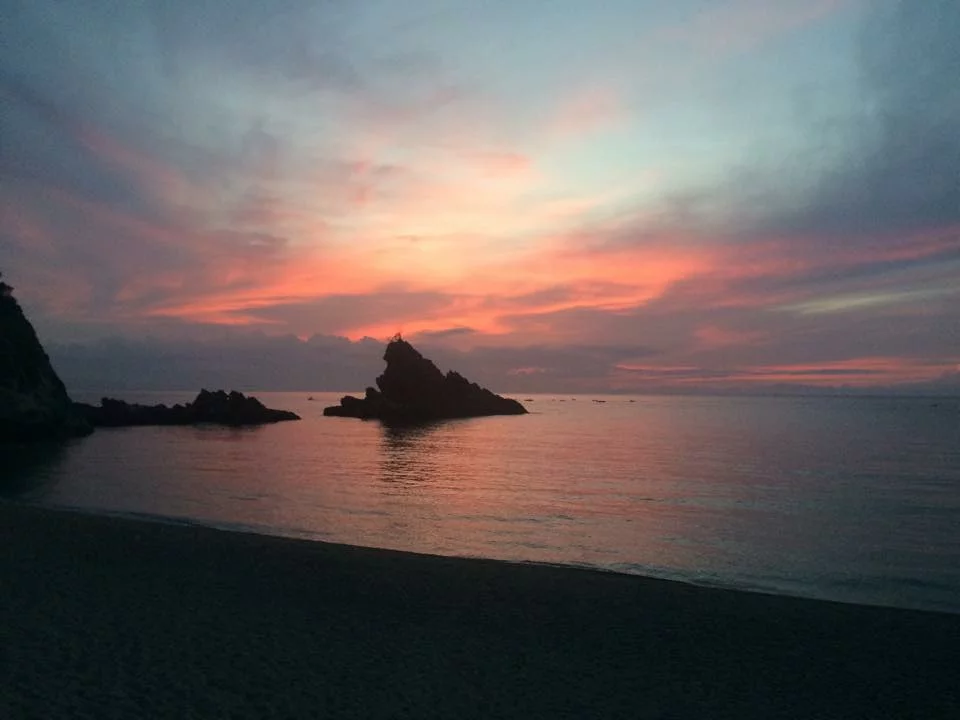
Scoglio dell'Ulivo (ph Tony Magazzù).
A Heritage to Celebrate and Safeguard
ISPRA's recognition celebrates both Palmi and earth science, reminding visitors that a beloved seaside icon also preserves a 60-million-year chapter of the Mediterranean's geological diary.
Scoglio dell'Ulivo (ph Tony Magazzù).