Moscato Passito di Saracena: An Oenological Treasure of Calabria
Discover Moscato Passito di Saracena, a sweet and aromatic wine, a Slow Food Presidium. A journey through history, indigenous grape varieties, and ancient Calabrian traditions.
Saracena and its Hidden Treasure: The Moscato Passito
Nestled in the heart of the Pollino National Park, on a rocky hill overlooking the Garga river valley, lies Saracena, a Calabrian village where time seems to stand still. But Saracena is more than just breathtaking landscapes; it is the cradle of one of Italy's most precious and perhaps still too little-known gastronomic excellences: Moscato di Saracena. This passito wine, sought after since the 16th century on the tables of Popes, has been celebrated by illustrious travelers such as Norman Douglas in his "Old Calabria" (1915) and George Gissing in "By the Ionian Sea" (1901), testifying to a history rooted in a glorious past. A true gem that proudly stands alongside the more famous Tuscan Vin Santo and the noble Greco di Bianco, upholding the banner of Calabrian wine richness.
A glass of Moscato Passito di Saracena, a golden nectar that tells centuries of Calabrian history and passion.
A Wine of Excellence: Tradition, Recognition, and Secrets
The Moscato a Governo di Saracena is far more than just a wine; it is an authentic expression of a territory and its people. Considered a niche product, its production follows natural, slow rhythms, from grape ripening to drying on racks, from fermentation to aging in barrels. These timelines, which do not easily align with mass production logic, are the key to its uniqueness. It is no coincidence that Slow Food has recognized Moscato di Saracena as one of its Presidia, a protected geographical indication (IGP) that safeguards its authenticity and quality.
As Domenico Gallicchio, one of the many local producers, recounts: "In Saracena, in every home, there is a reserve of moscato. If you knock on any door and ask for a glass, there is no family that cannot offer it to you." Each producer guards their traditional recipe, small secrets passed down through generations, which manifest in different grape percentages or the use of specific containers. Elisabetta Ferrara, an agricultural entrepreneur, shares her grandfather Vincenzo's recipe, a pharmacist from the village: "My grandfather used the Odoacra, Malvasia, white Guarnaccia, and a bit of black grape varieties to give a more intense color, in addition to Moscatello. All grapes were pressed, except for the Moscatello bunches which were left to dry on racks. The must was boiled and, when ready, the Moscatello berries were added. Skins and seeds were removed at the time of racking." A process that is pure poetry and tradition.
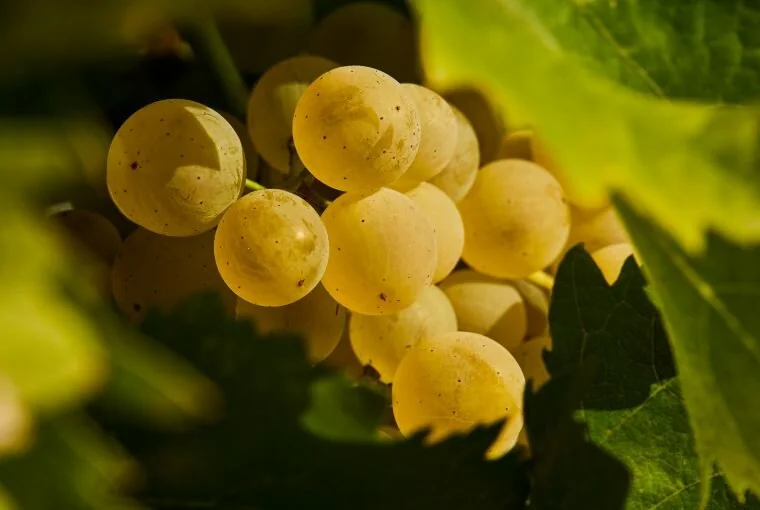
Sun-kissed vineyards in Pollino Park, where Moscato di Saracena grapes absorb the essence of the Calabrian land.
Indigenous Grape Varieties: The Heart of Moscato di Saracena
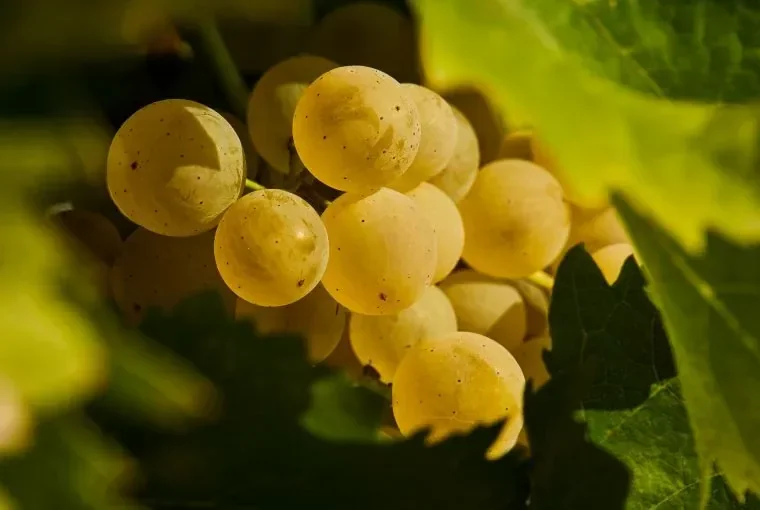
The magic of Moscato di Saracena stems from the harmonious union of different indigenous grape varieties, each playing a fundamental role in defining its aromatic and taste profile. The protagonists are white Guarnaccia, Malvasia bianca di Candia, and, in a percentage of about 10 percent, Moscatello, whose bunches are left to dry on racks. Some producers, for an even more exclusive touch, add a minimal part of a very rare variety: Odoacra, locally known as Addoraca.
- Addoraca (Odoacra/Duraca): Its name, meaning "fragrant," is a synonym for the Zibibbo grape. This extremely rare variety is cultivated almost exclusively in Saracena and neighboring areas like Verbicaro. It is said to have been brought by the Romans from Ancient Egypt. The wine produced from it is an excellent Zibibbo, with a straw-yellow color with golden reflections, sweet and with high alcohol content. Finding Addoraca grapes or an Addoraca Zibibbo wine is a true rarity, a treasure for connoisseurs.
- Moscatello: Considered the most important, this grape variety is cultivated exclusively in Saracena and is believed to have been introduced by the Saracens from Maskat. While exhibiting the typical aroma of the Moscato family, it differs from other Moscato or Moscatello varieties widespread on the peninsula. Moscato, as a family of grape varieties, boasts origins in Ancient Greece (Anathelicon Moschaton) and was known to the Romans as Uva Apiana. It is a grape with an intense aroma and very sweet taste, ideal for passito, sparkling, or semi-sparkling wines, and is the basis of 4 Italian DOCGs.
- Malvasia Bianca di Candia: Originally from Italy, this variety is one of many Malvasias, but stands out for its unique characteristics. The name "Candia" refers to ancient Crete, although DNA analysis does not confirm a direct Cretan origin. Malvasia, as a family, has a fascinating history linked to Venetian trade in the Mediterranean, originally referring to sweet and alcoholic wines from the East.
- Guarnaccia or Coda di Volpe Bianca: Its name, "fox's tail," derives from the shape of the berry. It is hypothesized to be a descendant of the ancient Alopecis grape, described by Pliny the Elder. This variety contributes to the complexity and structure of Moscato di Saracena, completing the aromatic bouquet of this extraordinary wine.
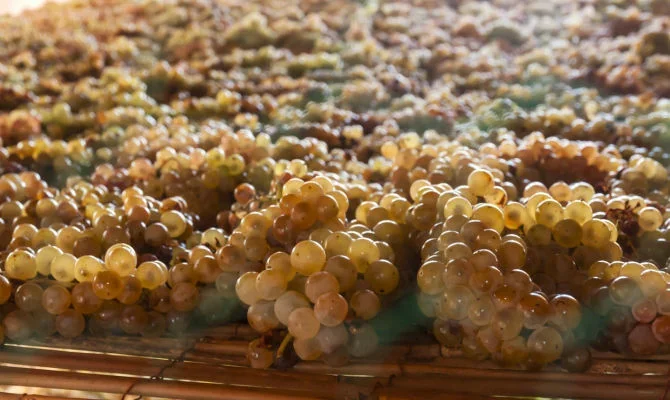
Bunches of Moscatello, Addoraca, and Malvasia grapes, the precious indigenous varieties that give life to Moscato di Saracena.