A Journey from Taureana to Venice: Discovering Saint Fantino
From the crypt of Taureana in Palmi to the mosaics of St. Mark's and Campo San Fantin in Venice: history of the knight saint patron of sailors and Scaletteri.
The Crypt of Saint Fantino in Taureana
Descending into the crypt of Taureana in Palmi reveals an ancient sanctuary preserving the urn with relics of Saint Fantino and early bishops, while traditions link other fragments of his relics to Venice and Modica.
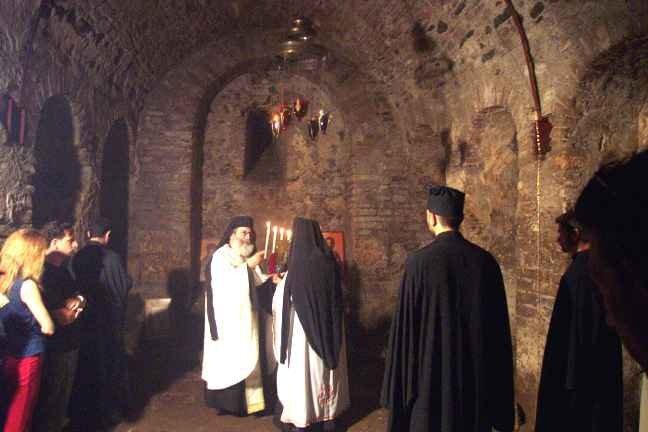
Crypt of Saint Fantino in Taureana, Palmi, during a visit by Orthodox monks.
From Taureana to the Venetian Lagoon
Before Saint Mark became patron of Venice, Saint Fantino the Elder—whose cult in the lagoon dates to the 7th century—was invoked by sailors and fishermen as protector at sea.
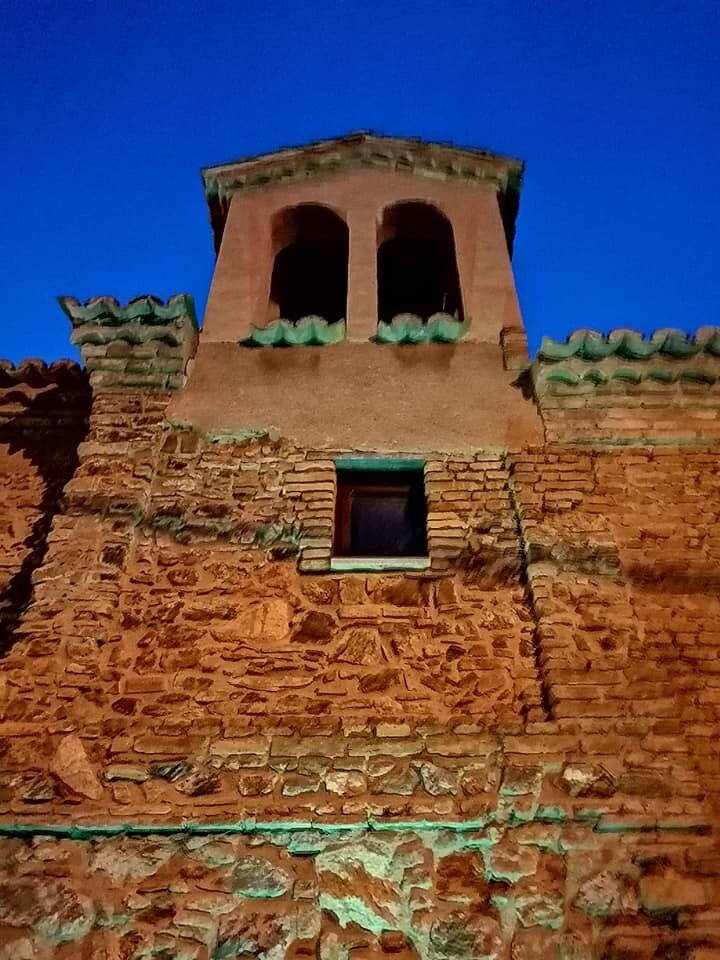
Church of Saint Fantino in Taureana, Palmi, birthplace of the cult.
Parish Church and Campo San Fantin in Venice
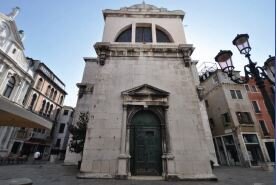
In Venice, Campo San Fantin hosts the church dedicated to the saint (with a tapestry for the Scaletteri guild and a 1683 reliquary) and the former Teatro San Fantino, predecessor to La Fenice. Doge Enrico Dandolo named a son Fantino, and Marco Polo named a daughter Fantina.
Parish Church of San Fantino in Campo San Fantin, Venice.
Scuola Grande di San Fantino (Ateneo Veneto)
Overlooking the square stands the Scuola Grande di San Fantino, today home to the Ateneo Veneto, once the heart of confraternity devotion.
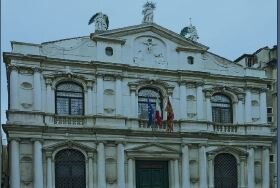
Scuola Grande di San Fantino, now Ateneo Veneto (from Domenico Bagalà's book San Fantino e Tauriana).
Map of Campo San Fantin
The historic map of Campo San Fantin illustrates the urban prominence of the Calabrian saint's complex in the San Marco district.
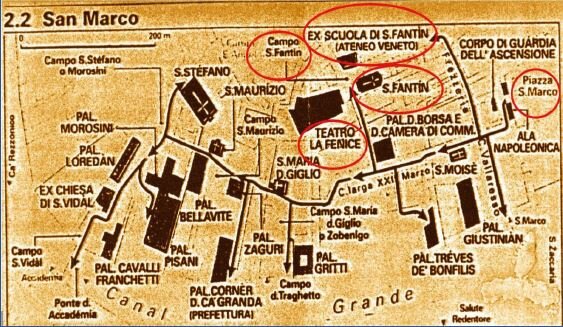
Historic map of Campo San Fantin in Venice (from Domenico Bagalà, San Fantino e Tauriana).
The Scaletteri Guild and Their Banner
The Venetian pastry-makers' guild (Scaletteri) cared for the church, held an annual procession, and carried a historic banner depicting Saint Fantino on horseback.
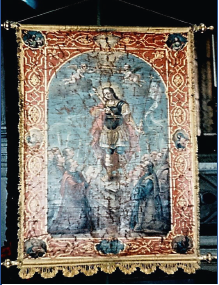
Banner of the Scaletteri guild in Venice (from Domenico Bagalà, San Fantino e Tauriana).
Saint Fantino in St. Mark's Basilica Mosaics
In St. Mark's Basilica, a mosaic medallion in the Moses dome shows Saint Fantino as a knight with a red cloak and cavalry lance—considered the earliest equestrian saint depicted in the West.
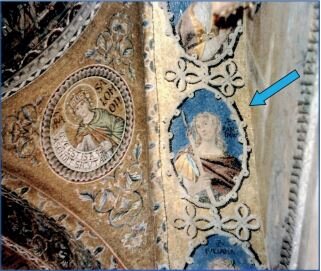
Mosaic medallion of Saint Fantino in St. Mark's Basilica (from Domenico Bagalà).
Eastern Saints in Venice: Bridge with Byzantium
Under Byzantine general Narses and later Lombard-era migrations, Venice embraced Eastern saints such as Theodore and Menas alongside Fantino; over a third of the saints in St. Mark's mosaics come from the Christian East.
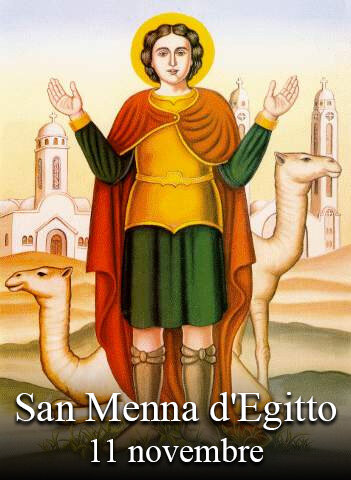
Eastern saints and Byzantine devotion linking the Mediterranean and Venice.
Rise of Saint Mark and Later Centuries
Following the arrival of Saint Mark's relics in 828, the 1054 East-West Schism, and shifting trade and religious currents, Saint Mark overshadowed Fantino as state patron, yet the monumental bond between Taureana and Venice endures.
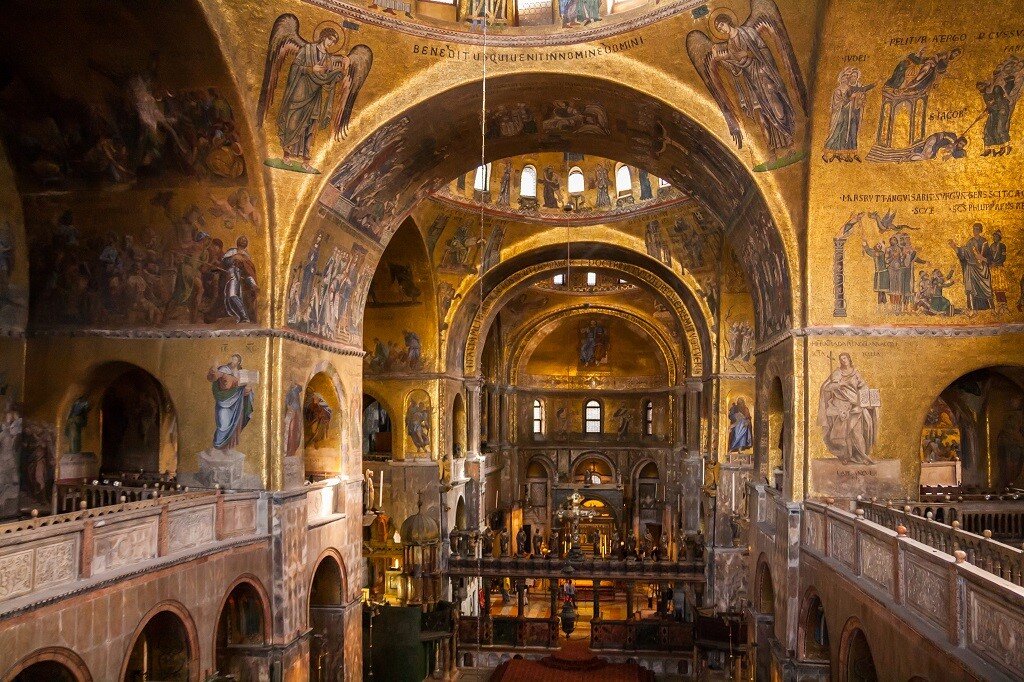
St. Mark's Basilica in Venice, guardian of the mosaic of Saint Fantino.