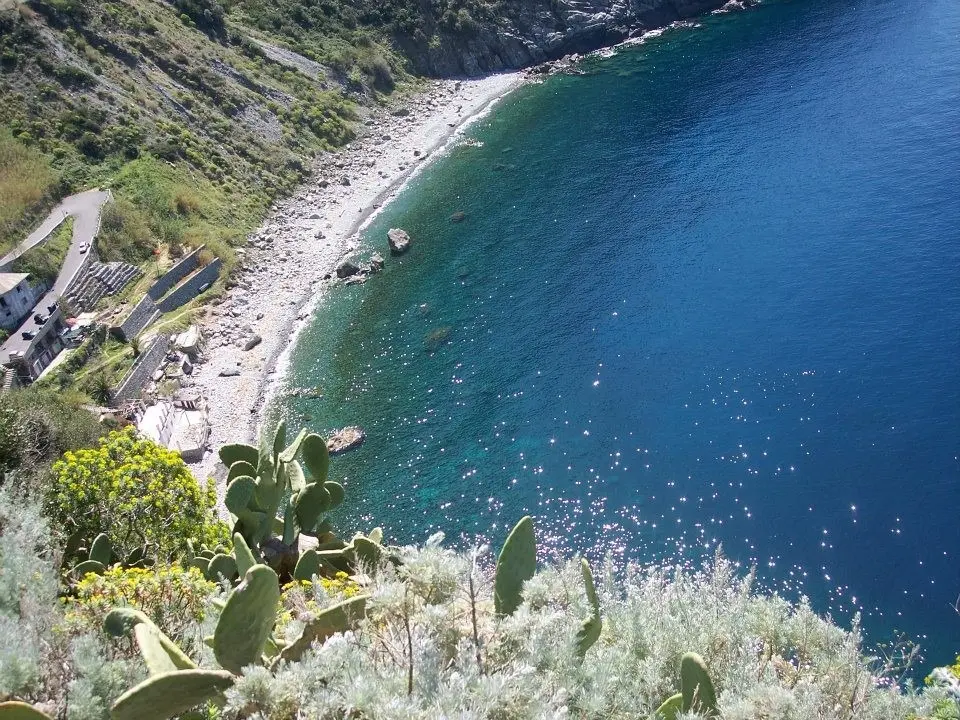
Marinella di Palmi and Corsair Dragut: Tales of the Sea and Calabrian Legends
Uncover the thrilling tale of Corsair Dragut, the 'Sword of Islam', and his connection to the enchanting Marinella di Palmi in Calabria. A journey through legends and battles.
Origins in Bodrum and Rise Among Ottoman Corsairs
Turghud Alì, known to history as Dragut (1485–1565), was one of the greatest Ottoman admirals and corsairs of the Mediterranean.
Spotted at age twelve by an Ottoman artillery commander, he learned gunnery in Cairo, served in Alexandria, and rose alongside Barbarossa to command his own corsair fleet.
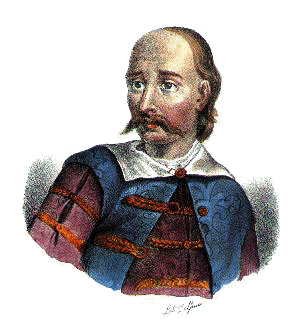
Historic portrait of Turghud Alì, known as Dragut (Bodrum 1485 – Gozo 1565).
With Khayr al-Dīn Barbarossa at Preveza (1538)
Commanding twelve galliots under Barbarossa, Dragut fought alongside him at the Battle of Preveza in 1538 against Andrea Doria's fleet. Only the Knights of Malta succeeded in holding him back, prompting Emperor Charles V to order his capture at any cost.
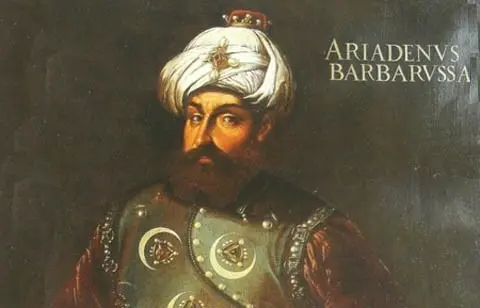
Khayr al-Dīn Barbarossa (1478–1546), Ottoman admiral and mentor of Dragut.
Captivity at Girolata and the «Avenging Sword of Islam»
Captured in 1540 in Corsica by Giannettino Doria and chained to the oars of Andrea Doria's flagship for four years, Dragut was later ransomed through the Lomellino family. After Barbarossa retired, he was placed in charge of western Mediterranean corsairs as the «Avenging Sword of Islam».
Marinella di Palmi on the Costa Viola, site of Dragut's landings between 1549 and 1552.
Marinella di Palmi, Acqualive, and the Pietra di Dragut (1549–1552)
In August 1549, after capturing over 300 people in Calabria, some of Dragut's sailors fell asleep by a spring in an olive grove at Palmi. Believing they had caught Dragut himself, townspeople beheaded one of his men on a stone since known as the «Pietra di Dragut» in Contrada Acqualive, near the «Croce dei morti» shrine.
In 1552 Dragut returned to Palmi to exact bloody vengeance.
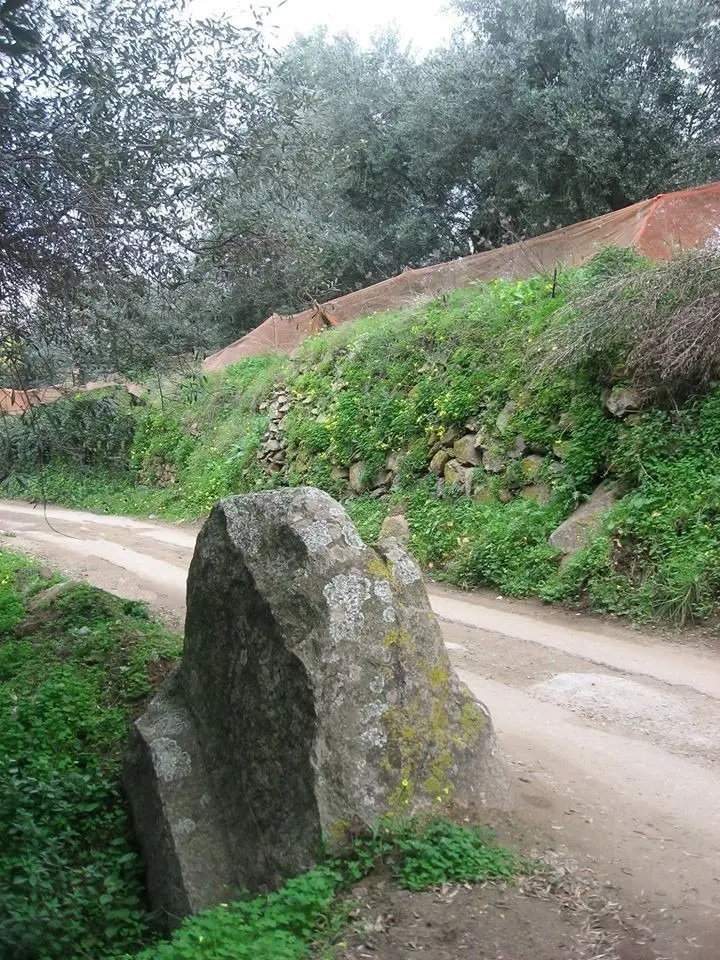
The «Pietra di Dragut» in Contrada Acqualive, Palmi, linked to the 1549 ambush and 1552 raid.
The Siege of Vieste and the Chianca Amara (1554)
In July 1554 Dragut besieged Vieste on the Gargano peninsula with seventy galleys for seven days, devastating the city and executing thousands of citizens on the rock by the Cathedral remembered as the «Chianca Amara».
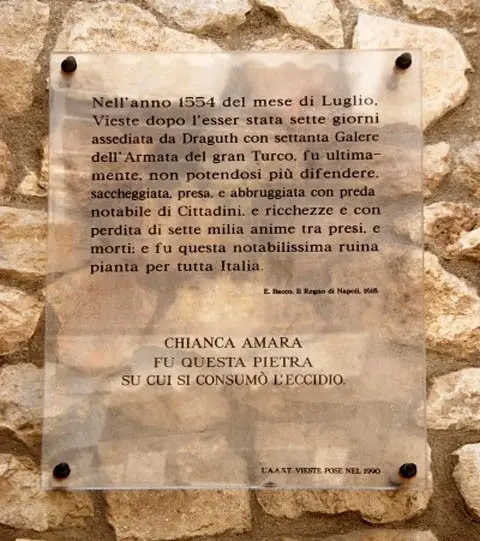
Commemorative plaque at the «Chianca Amara» monument in Vieste recalling Dragut's 1554 siege.
The Final Siege: Fort St Elmo in Malta (1565)
During the Great Siege of Malta in May 1565, Dragut directed artillery fire against Fort St Elmo in Valletta and was mortally struck on the forehead by a stone splinter. His body was later laid to rest in the Sarāy Dragut mosque in Tripoli.
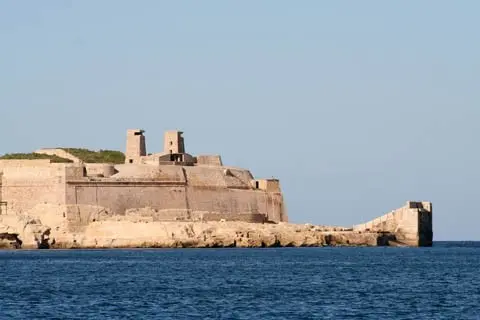
Fort St Elmo in Valletta, Malta, scene of Dragut's final siege in 1565.
Andrea Doria and His Cat Named «Dragut»
Genoese tradition preserves a famous painting of the aging Andrea Doria beside a giant tabby cat he named «Dragut»—a tribute to the audacious rival who, according to legend, even charmed Giannettino Doria's wife during his captivity in Genoa.
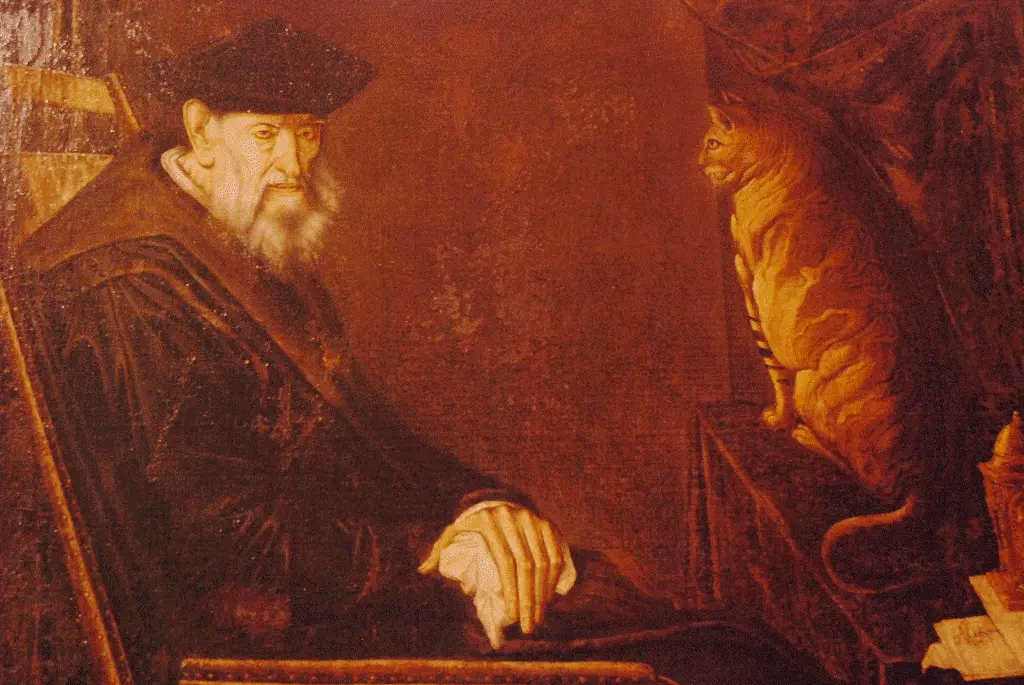
Portrait of Genoese admiral Andrea Doria alongside his large cat named «Dragut».