What to See in Calabria: The Trachina Caves in Palmi and Trade with the Sea Peoples
The Pietrosa Cave (or Trachina Cave, catalogued Cb 182) in Palmi preserves Bronze Age and Helladic Period finds that illuminate ancient trade links between local Calabrian communities and the Aegean world.
The Pietrosa Cave (Cb 182) and History of the Excavations
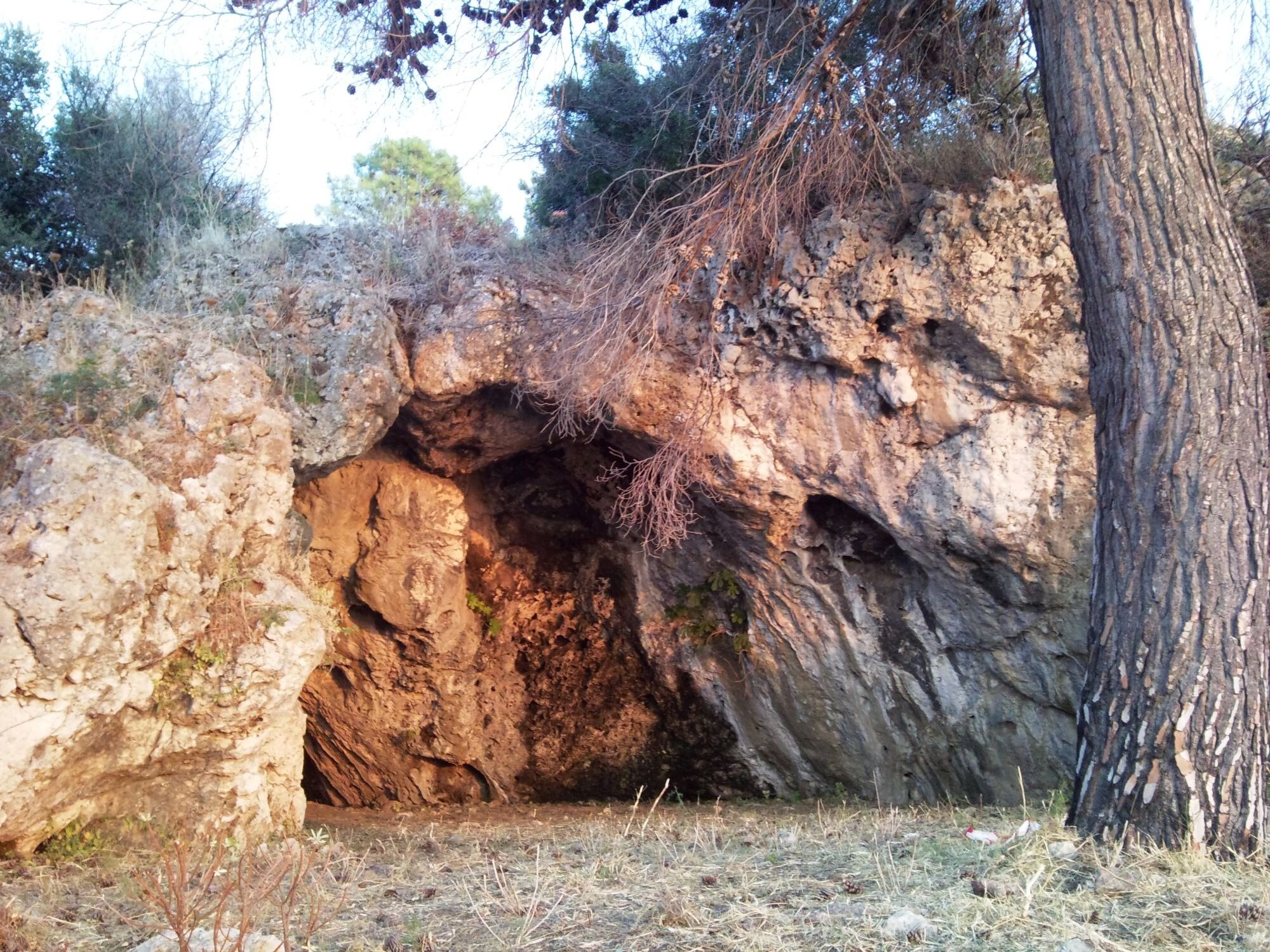
The Pietrosa Cave (or Tràchina Cave), catalogued as Cb 182, lies in the locality of the same name in Palmi. Finds dating to the Bronze Age and the Helladic Period clarify the relationships between local Calabrian communities and Aegean peoples.
Between 1991 and 1993, the Italian Institute of Experimental Archaeology in Genoa conducted excavations for the Archaeological Superintendency of Calabria, uncovering artifacts in the sheltered southern chamber. Subsequent excavations in 1995 pointed to occupation since the Early Bronze Age, and the cavern later served as a shelter for flocks from the Middle Ages to modern times.
The Trachina (Pietrosa) Cave in Palmi, catalogued Cb 182, overlooking the Costa Viola.
The Urnfield of Rovaglioso and the Tauriani
In 2006 at Rovaglioso (Porto Oreste), on the Cordopatri estate near Trachina, farmers planting trees uncovered dry-stone pyramid structures and large amphorae containing human bones mixed with ash.
Monument Inspector Antonino Raneri of Bagnara identified the find as a 12th-century BC Italic «urnfield» associated with the Tauriani, who founded Taurianum and left settlements and necropolises along the coast from Rovaglioso to Taureana.
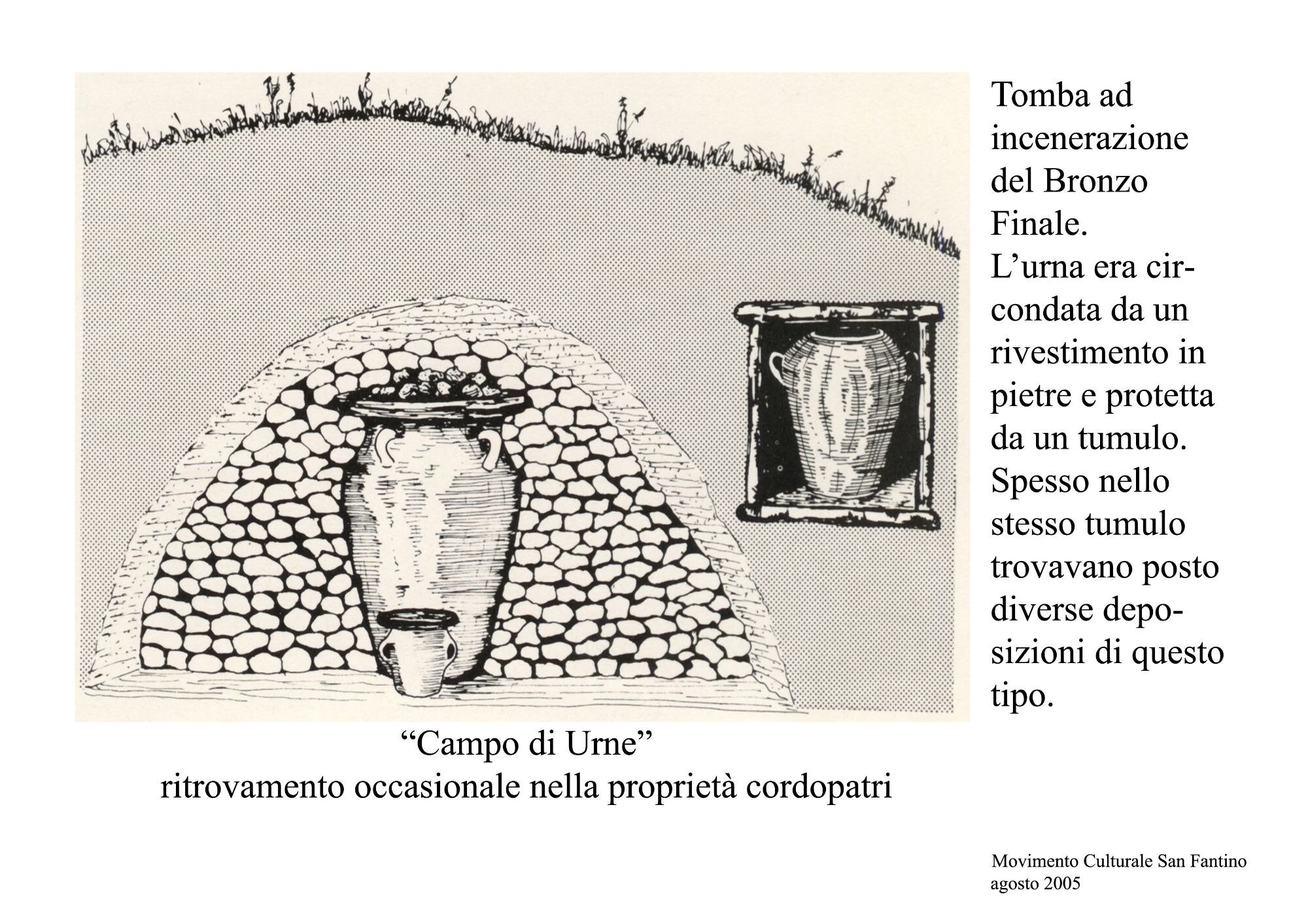
Find from the Rovaglioso (Porto Oreste) urnfield, a necropolis attributed to the 12th-century BC Tauriani.
Cave Description and Millennia-Old Stratigraphy
Perched 90 meters above sea level along the Costa Viola, the Pietrosa Cave opens with a 17-meter-wide and 5-meter-high mouth reached via a dirt path.
Two entrances lead inside, where natural light illuminates lithodomus-bored rock walls recalling when the cave was submerged by the sea, and twelve archaeological layers preserve hearths and traces of daily life.
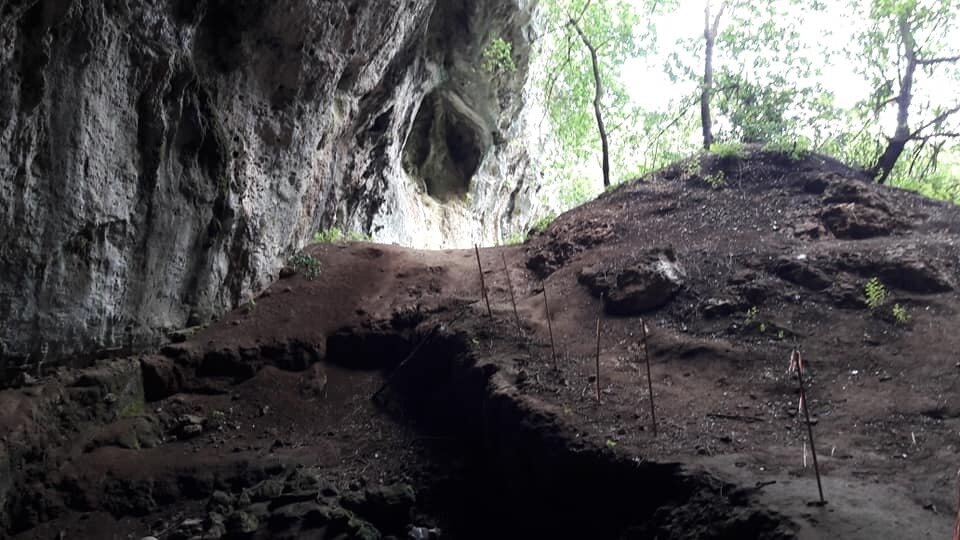
Interior of the Trachina Cave, where twelve archaeological layers document occupation from prehistory to the Middle Ages.
Bronze Age Artifacts and Mycenaean Trade Routes
Recovered artifacts consist mainly of Late Bronze Age pottery alongside imported Aegean sherds, indicating that Calabria's Tyrrhenian coast lay along Mycenaean trade routes.
Impasto pottery fragments dated between 2500 and 1500 BC, medieval ceramics, and a calcified animal bone deposit beneath the eastern wall further enrich the site's record.
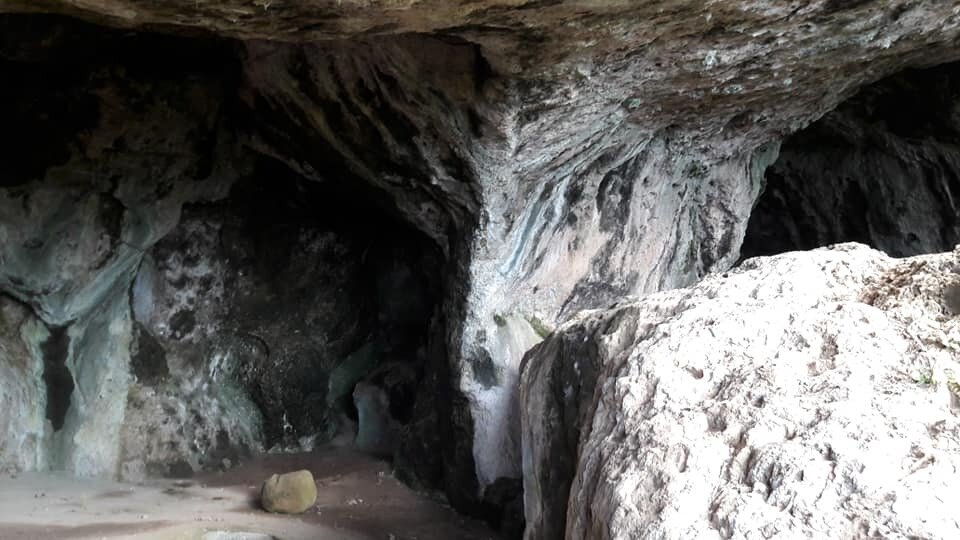
Rocky walls of the Trachina Cave bearing geological traces of marine lithodomes.
The Upper Cave and Strait of Messina Panorama
Climbing a narrow path along the southern wall leads to an upper cave overlooking the Tyrrhenian Sea, with sweeping views of the Strait of Messina, Sicily, the Aeolian Islands, and Capo Vaticano — suggesting an ancient coastal lookout role.
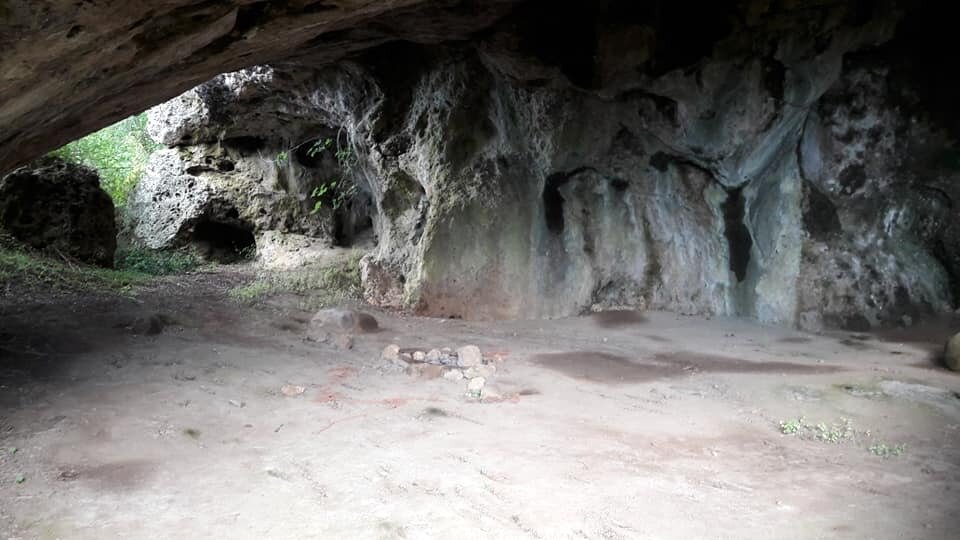
Panoramic view from the Trachina Caves toward the Tyrrhenian Sea and Costa Viola.
Site Preservation and Related Palmi Trails
Despite damage caused by clandestine diggers to parts of the stratigraphy, the Trachina Cave remains a vital archaeological heritage site of the Costa Viola worthy of protection.
Related readings on Palmi: «On Ulysses' Route: Like Pumice Stone», «Rupestrian Settlements in Palmi from Prehistory to the Middle Ages», and «The Pignarelle Caves in Palmi».
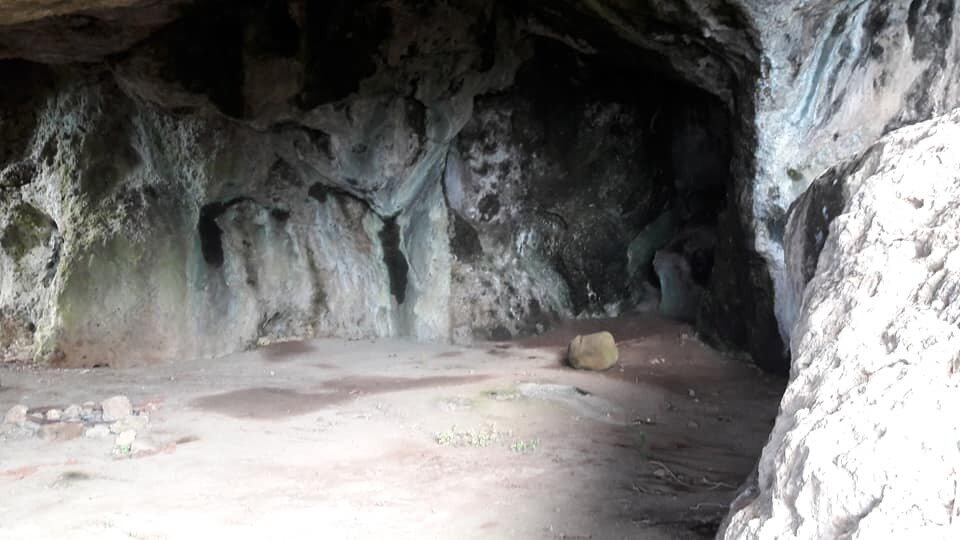
View of the entrance and natural rock formations of the Trachina Caves in Palmi.