The Mystery of Pignarelle Caves: A Journey Through Time in Calabria
Explore the Pignarelle Caves in Palmi, a millennial rock complex in Calabria. Uncover the secrets of Byzantine monks and ancient cults on a fascinating journey.
The Millennial Charm of Pignarelle Caves
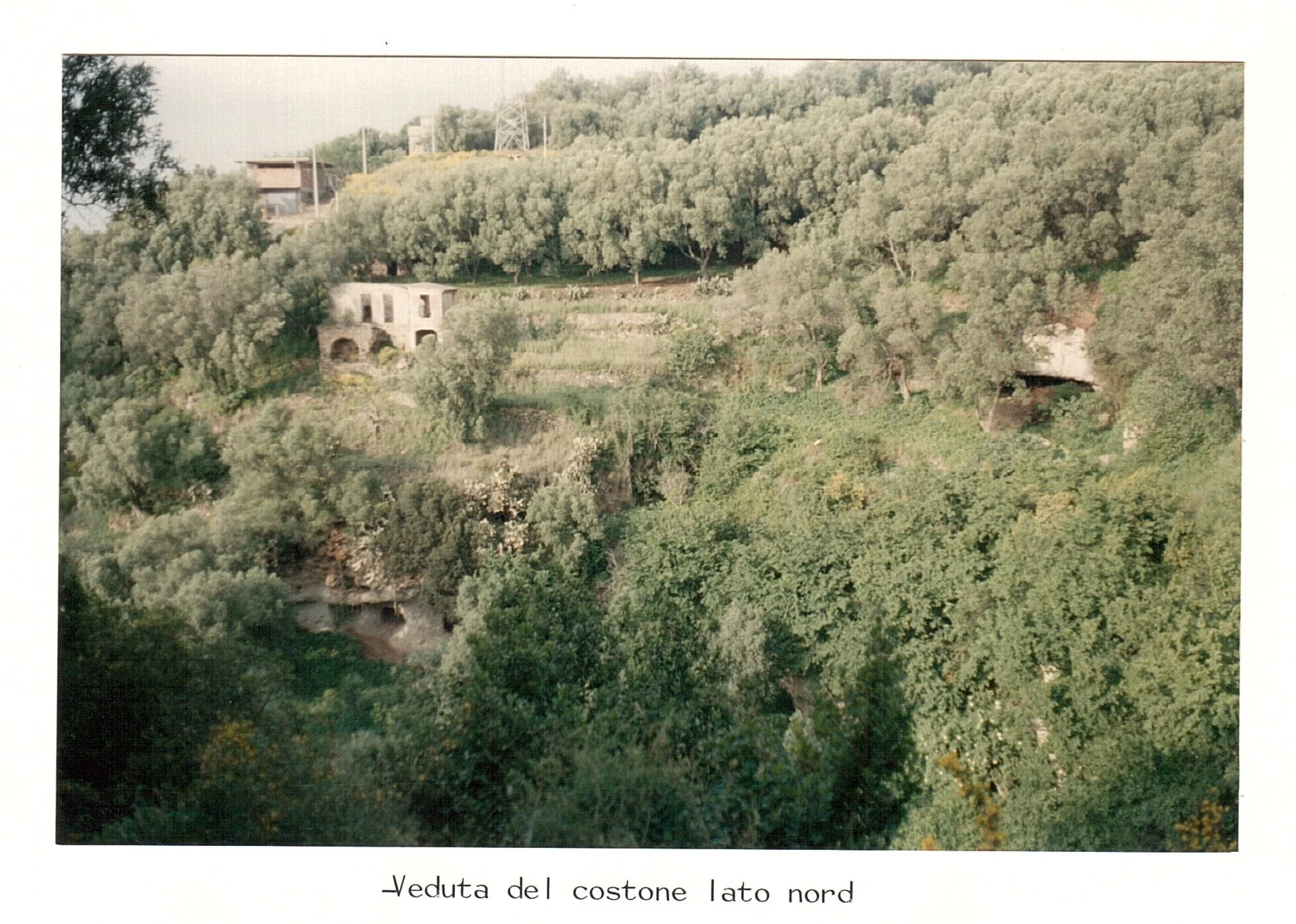
Imagine a magical place, hidden among the Calabrian hills with a wonderful view of the Strait of Messina, where time seems to have stood still. The Pignarelle Caves, a hand-carved rock complex dating from the 4th to the 11th century, guard the secrets of an ancient civilization. Here, history intertwines with legend, taking us back centuries among hermit monks, pagan cults, and mysteries yet to be unveiled. A true journey through time, in the heart of the Costa Viola, that will leave you breathless.
A breathtaking view from the Pignarelle Caves, where history meets the enchanting panorama of the Costa Viola.
Byzantine Roots and the Monastic Complex
The origins of the Pignarelle Caves are shrouded in mystery, but it is certain that they were home to Syro-Melchite and Coptic Christian monks between the 4th and 11th centuries. These 'Greeks', coming from the Byzantine Empire, found in Calabria the ideal place to carve out crypts and rock settlements. The complex, clearly monastic in nature, consists of caves carved at different levels into the rock, all oriented north. It was a true monastic complex, with cells and places of worship where monks retreated for meditation and prayer. Today, these caves represent one of the most authentic testimonies of Byzantine archaism in Calabria, a historical heritage of inestimable value.
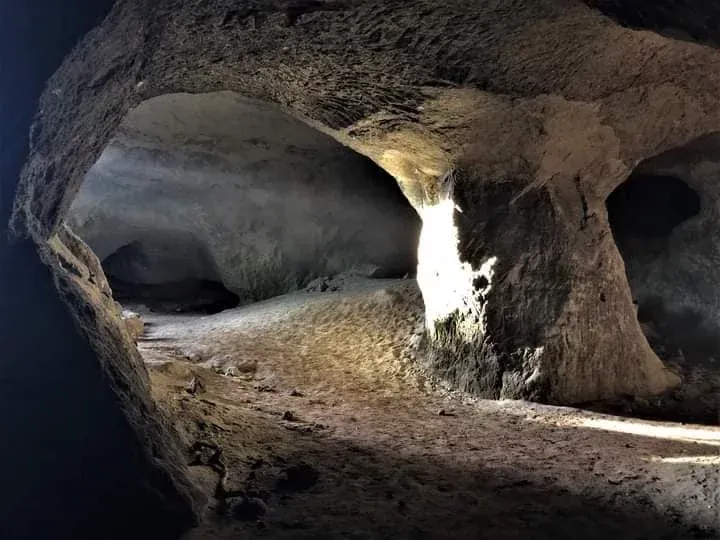
The evocative interior of one of the Pignarelle Caves, a silent witness to Byzantine monastic life.
Exploring the Secrets of the Caves
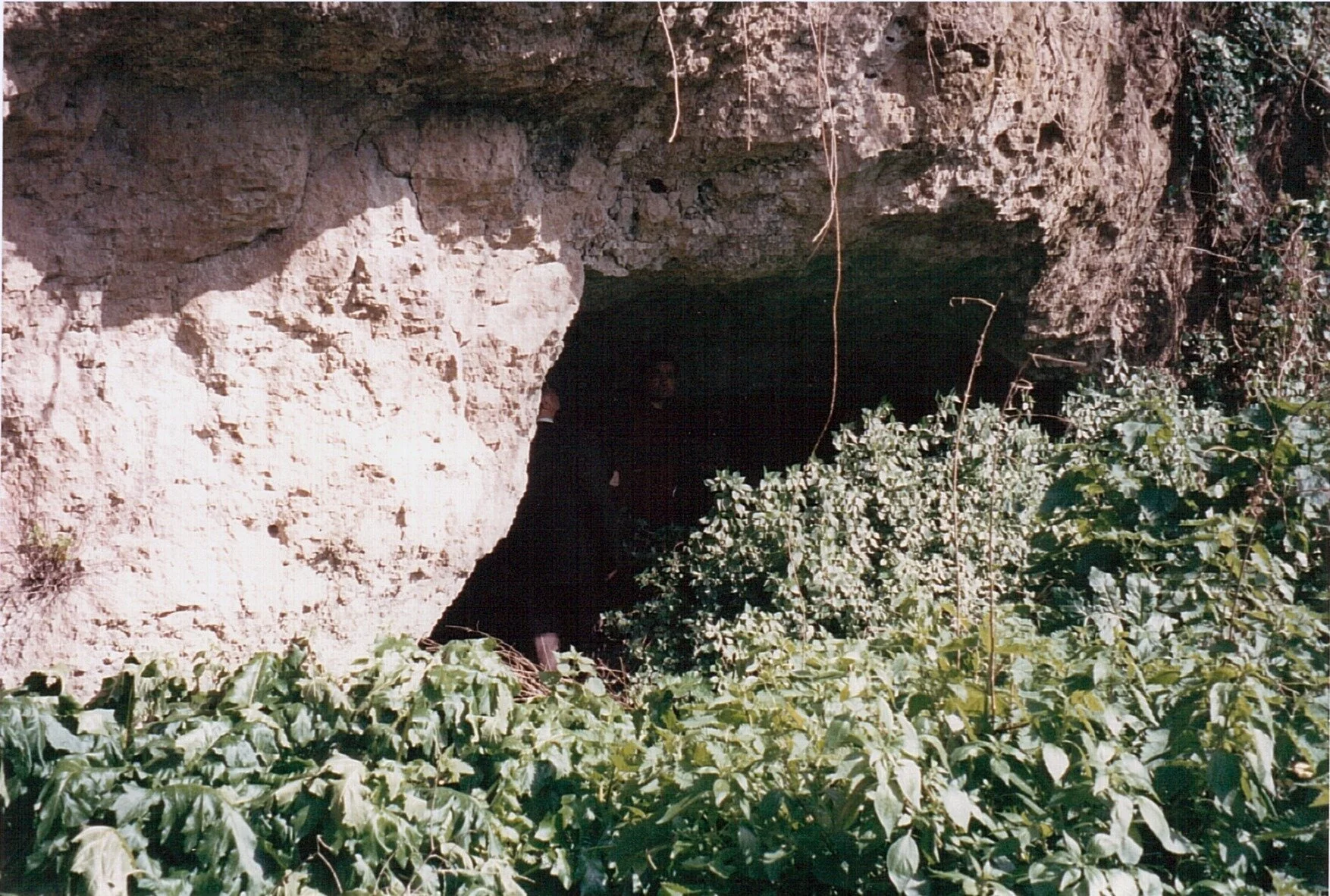
Upon entering the north-facing entrance, the first cave welcomes visitors with a Byzantine cross carved into the rock, an indelible symbol of the spirituality that permeates these places. Continuing, one reaches the second cave, deeper and more articulated, with an apse suggesting it was the dwelling of the hegumen, the superior father. The pulsating heart of the complex is the 'basilica', a cave of vast architectural complexity with three naves and a height of six meters in the central nave. Here, steps, niches, and sleeping places tell the story of monastic life. A tunnel connects the basilica to another cave, while a small external cavity, perhaps a guard post, completes the picture of this fascinating settlement. Christian symbols, crosses, and labyrinths are carved into the walls, but also traces of pagan cults, an enigma that continues to fascinate scholars and archaeologists.
A Hidden Treasure to Preserve
The Pignarelle Caves are a place of great charm and suggestion, an oasis of peace immersed in nature, where time seems suspended. But they are not the only ones! The presence of Byzantine monks living in caves is confirmed in many other localities in the territory of Palmi and the Piana di Gioia Tauro, such as Affaccio, Rocca Campana, Cubola, and San Mercurio. These sites, together with many others, formed the constellation of lauras, coenobia, and monasteries of the Eparchy of Saline. Unfortunately, much of this heritage is not yet subject to adequate protection and enhancement interventions. The Pignarelle Caves represent a precious treasure to be preserved and valued, a place that reminds us of the richness of our history and the beauty of our territory, offering an unforgettable experience for anyone wishing to immerse themselves in the mysteries of authentic Calabria.